DAY 1 #DCHH17
What can be digitized, will be digitized
Artificial intelligence and chatbots that negotiate optimally individualized offers for users, test visits to destinations via virtual reality, holiday architecture from 3D printers, autonomous air taxis as an extension of the experience of a classic trip, robots as service providers.
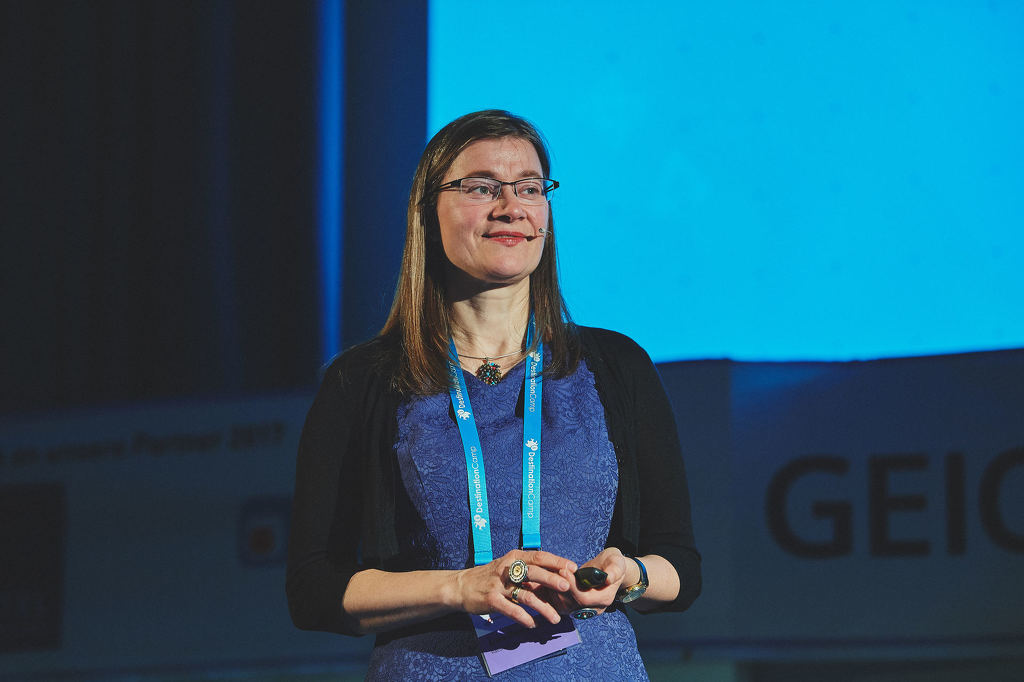
In her keynote "A Journey into the Future with Robots, Artificial Intelligence and Co.", Anke Domscheit-Berg provided a professionally sound and emotionally captivating start on Friday evening.
Born in Premnitz (Havelland) in 1968, the non-partisan politician is an entrepreneur, publicist, and activist. The former Microsoft Germany director's interest particularly lies in the topic of digital society. How is the 3rd Industrial Revolution changing our lives? What can be done against the surveillance state? What will happen to jobs? How can deficits in media literacy be overcome?
The 225 participants of DestinationCamp were presented with fascinating facts and examples, as well as possible developments and misdevelopments regarding the state of digitalization in various industries.
According to Domscheit-Berg, virtual trips could be a "welcome add-on to conventional travel" - but also a sensible substitute, for example, if money or time for a real trip is lacking, if someone does not want to travel for ecological reasons, is health-impaired, or cannot travel for political reasons. However, they could also be misused as a dull escape from an unmanaged daily life.
Who controls the market power of data monopolists? How non-discriminatory are automated decisions based solely on algorithms? Who prevents data from being misused when personality profiles are derived from the accumulation of seemingly harmless individual data? "There is no innocent information. I, for one, feel uneasy when a bot in the room listens to everything," stated the net activist.
Above all, politics and society must find an answer to how people whose work is replaced by machines or algorithms should shape their lives (and incidentally voted for a universal basic income). Creativity in solving complex societal challenges is urgently needed:
Not all taxi drivers who become unemployed can become drone fleet managers, nor can all construction workers become 3D designers.
She encouraged tourism professionals to also seize the opportunities of digitalization. To avoid being solely dependent on large data collectors, smaller destinations could also join forces, process their existing data themselves, and create interfaces to chatbots that can serve the needs of guests.
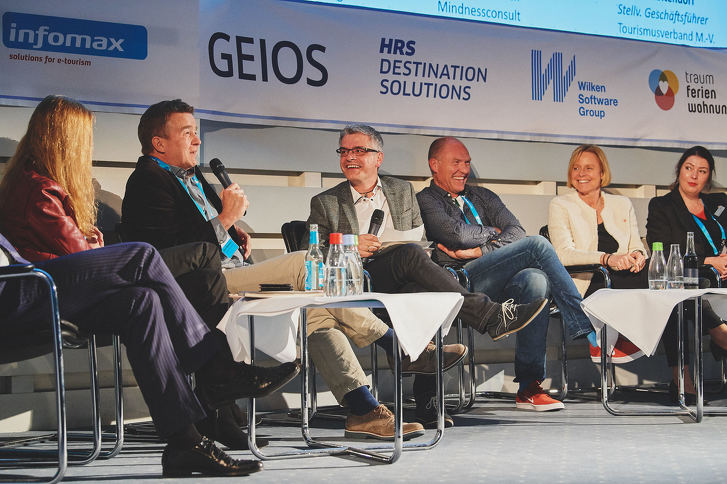
"There is foreseeably no topic that brings about such strong societal upheavals as digitalization," stated Member of Parliament Dorothee Martin (SPD). Politics still needs to "discuss data protection much more." However, digitalization can be an enrichment for the classic holiday experience.
"What can be digitized, will be digitized," stated Christoph Engl from Brand Trust. But: "Chatbots are merely technological helpers in processing information. People cannot identify with technology." It will be crucial that "destinations are not only represented by information and data, but also offer emotional identification points - because that is what people want." Offering this is also a form of appreciation.
For mindfulness coach and hotelier Bernd Reutemann, "digitalization is a great opportunity for appreciating both customers and employees. We ask our guests for their data to meet their needs as precisely as possible. For us, appreciation in both cases means doing concrete good."
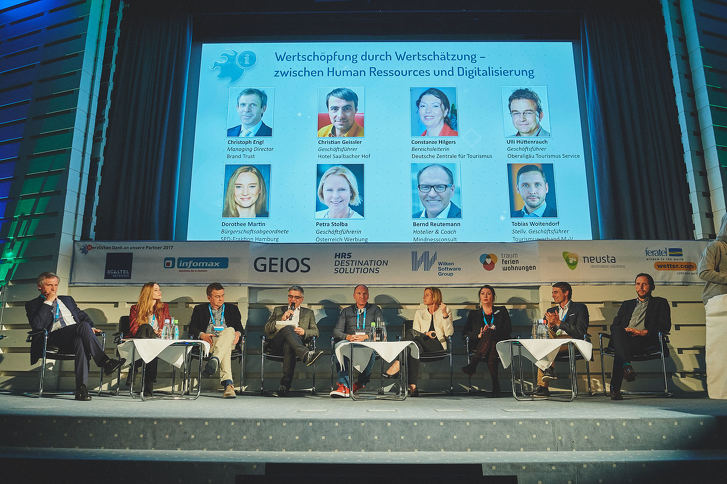
Hotelier Christian Geissler from Saalbacher Hof in Tyrol is convinced: "Despite all the necessary digitalization of processes, there will always be a demand for warmth and personal contact. We must give this form of appreciation to our employees, and then they will also show more appreciation to the guests."
"Appreciation must be an attitude, warmth leaves a lasting impression," formulated Constanze Hilgers from the GNTB. But: "We must first agree on common values. Only then can we truly appreciate."
Digital transformation "forces me to question my core tasks," admitted Petra Stolba, Managing Director of Austria Advertising. Digitalization necessitates an almost complete corporate restructuring: "We must think even more in network structures, work systemically, and above all, develop a culture of error. Because we live in the midst of the age of prototyping."
Tobias Woitendorf from the Mecklenburg-Vorpommern Tourism Association pointed out that employee appreciation also requires trust, responsibility, freedom, and a culture of error. "We must adapt our leadership behavior to the new needs of employees as well."
"Digitalization in public tourism often fails due to a lack of trust from political decision-makers," criticized Managing Director Ulrich Hüttenrauch of Oberallgäu Tourism Service. The rapid technological advancements here contrast with long lead times for budget planning and the often limited financial decision-making scope of tourism professionals.
Conclusion of the discussion after 50 minutes: Especially in times of digital transformation, people, not only as guests but also as employees, must be placed at the center of entrepreneurial action.
And here is the video summary of Day 1! The 2017 video documentation for the first day is presented by infomax websolutions, Traum-Ferienwohnungen, and neusta destination solutions: