DSTNCMP-PREMIUMpartner


In the data:room, the major challenge of today's existing data volumes could be overcome: Instead of burying them in dashboards, they could be specifically placed in the "right" context and accurately interpreted.
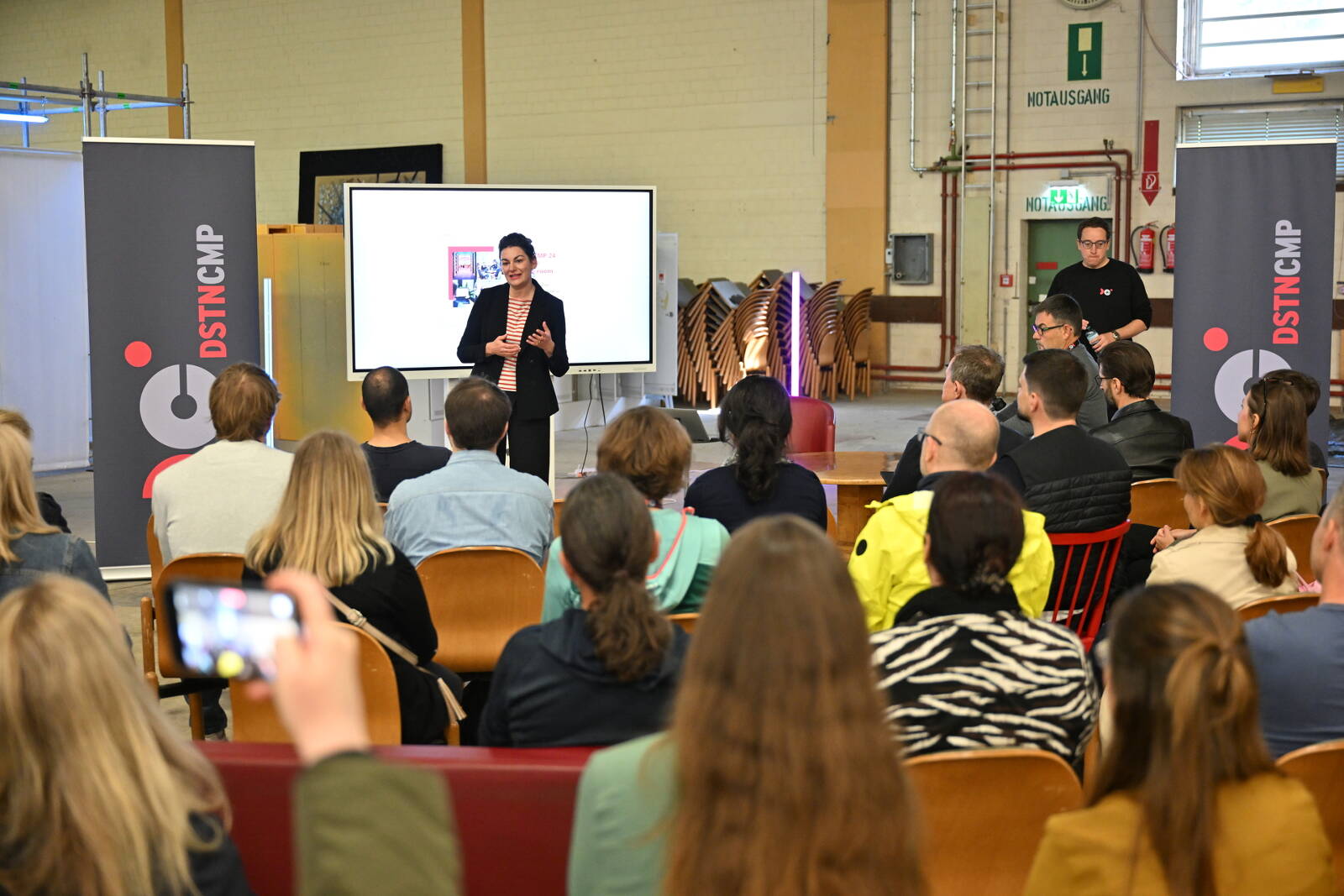
Urs Treuthardt, the founder of the "encounter agency" Occursus and former Managing Director of Bodensee-Vorarlberg Tourism, explained to the participants how he envisions data-based decision models in practice:
Before we think about data, we need to clarify the crucial questions.
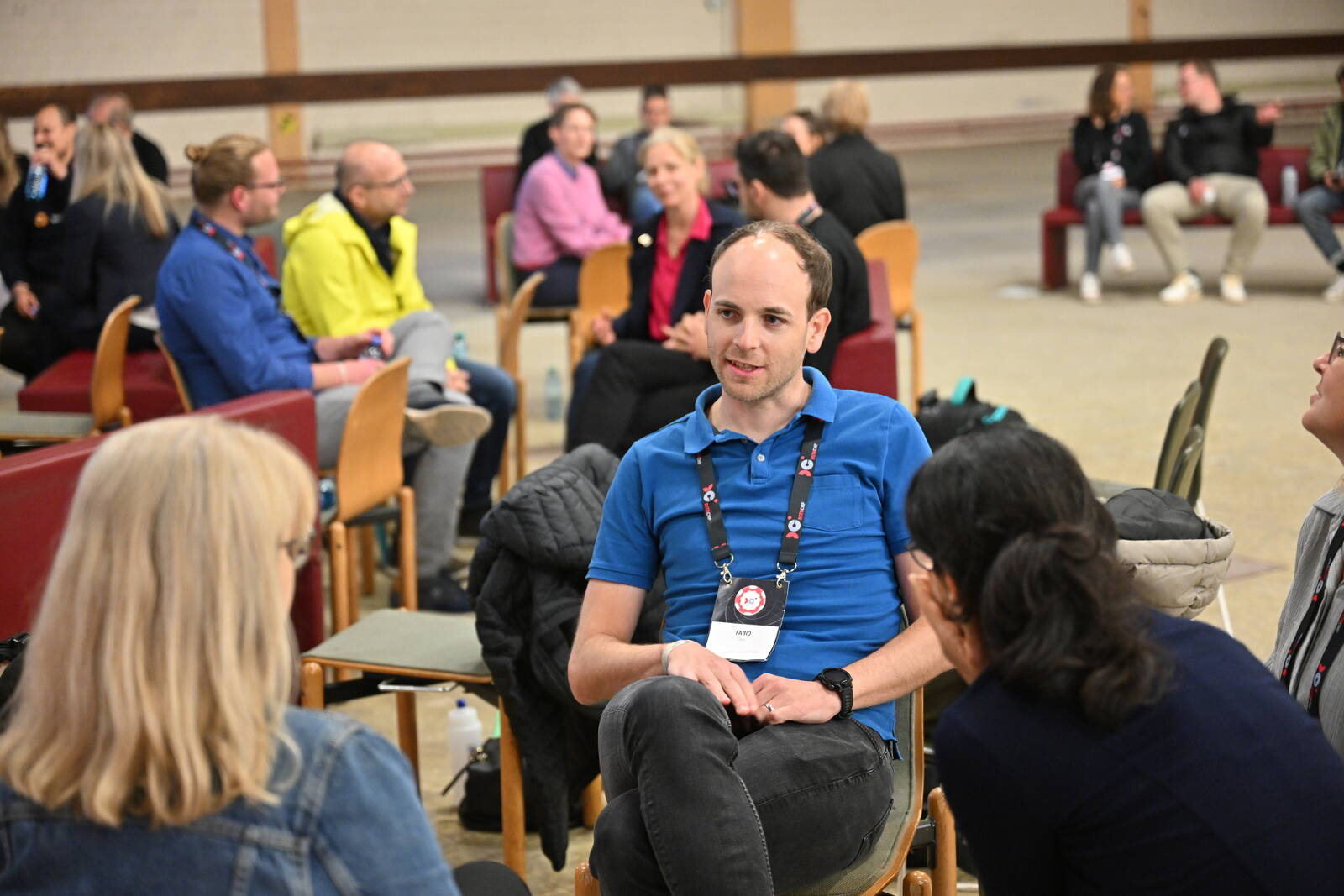
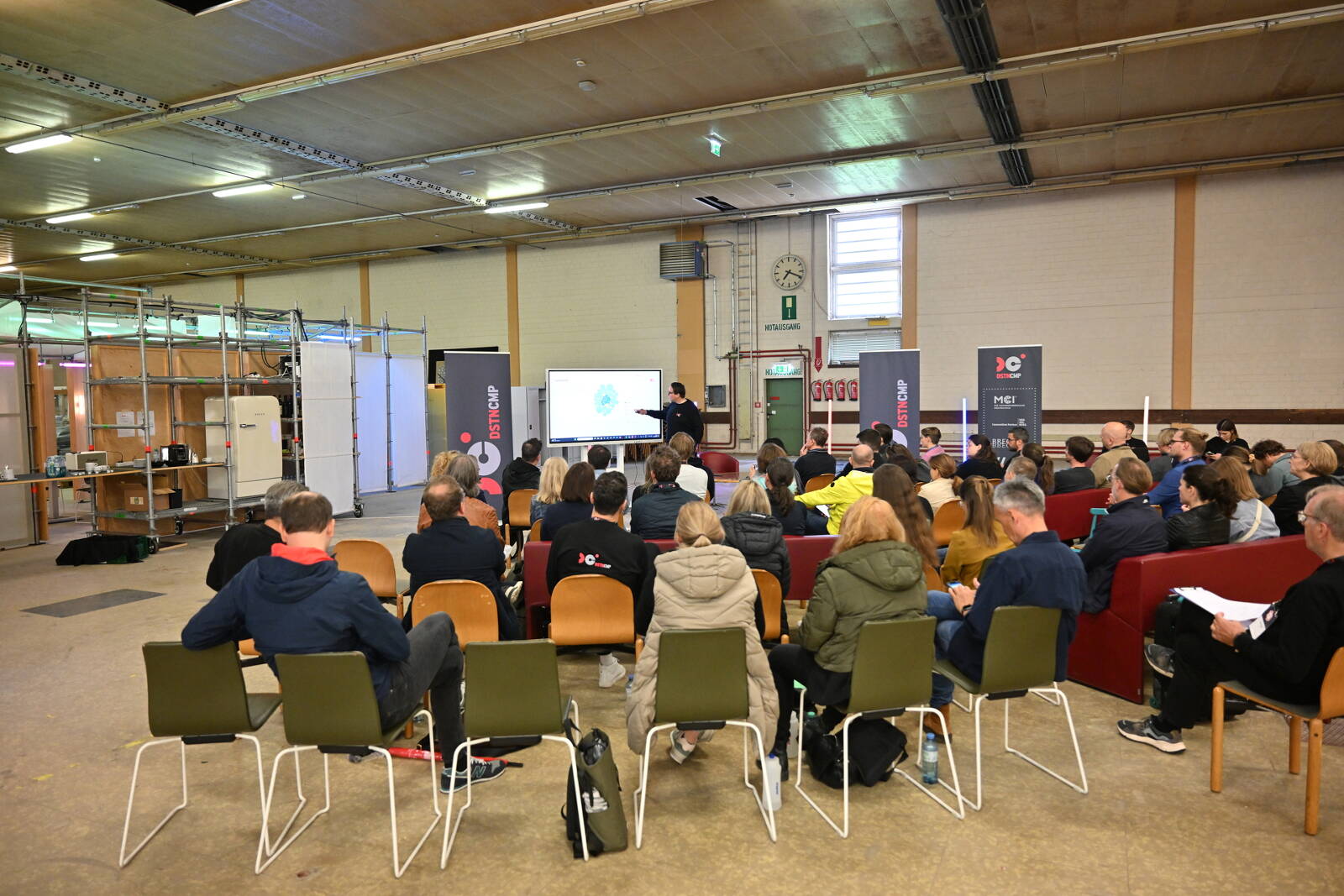
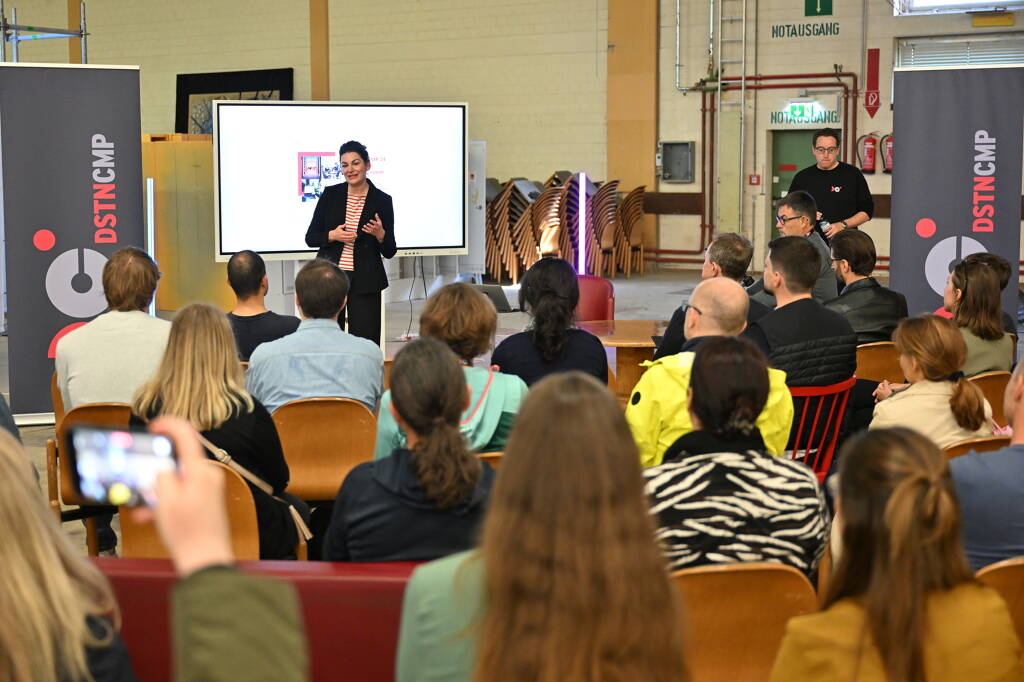
In the old industrial hall, meeting spaces can be flexibly altered and designed with the help of scaffolding and flexible elements. Relevant data is acquired and fed into the data hub. The facilitation occurs through human interpretation from various professional perspectives. The data:room thus enables "better understanding, better decision-making, better execution".
Keynote speaker Ulla Heher presented the Future Health Lab as an example of the three-step approach that has already been partially successful. It is an innovation center for the targeted solution of challenges in Austria's public healthcare system. The goal is to overcome different positions and create solutions that can positively influence healthcare and people's lives.
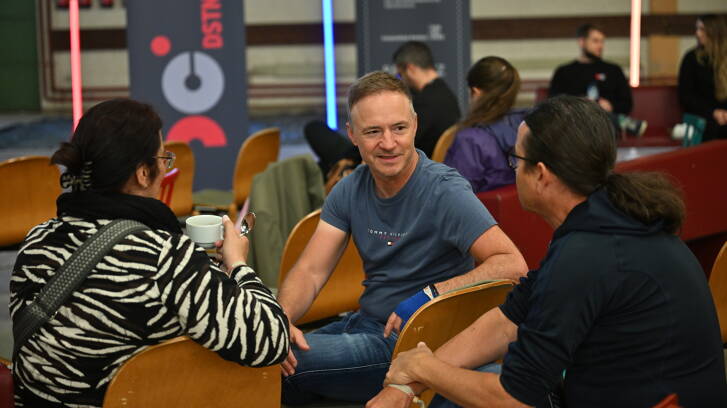
The data:room, founded in 2022, still has its baptism of fire ahead: "So far, no business case has been brought to us," Urs Treuthardt conceded. A pilot project is intended to ensure awareness and demand. Therefore, important for success are:
Subsequently, it is crucial to derive the "right" measures from them and put them into action.
The discussion with the participants showed that such a process takes time, but also must not be too granular: "Data doesn't have to be perfect. We just need to be able to work with it."
This also brought the discussion full circle to the Opening Talk: "Making a decision with a certain degree of uncertainty within a trusted environment is always better than making no decision at all."
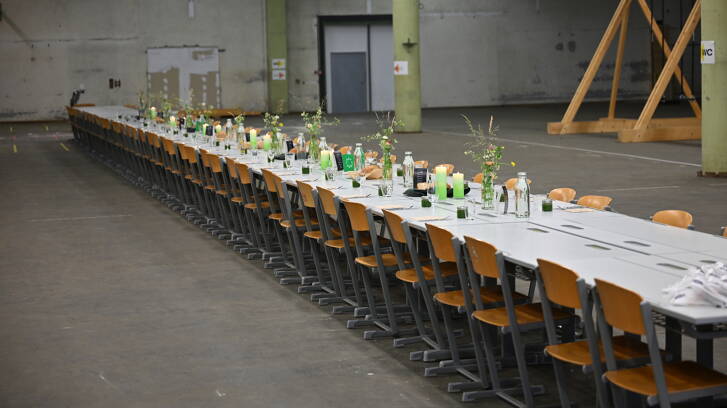
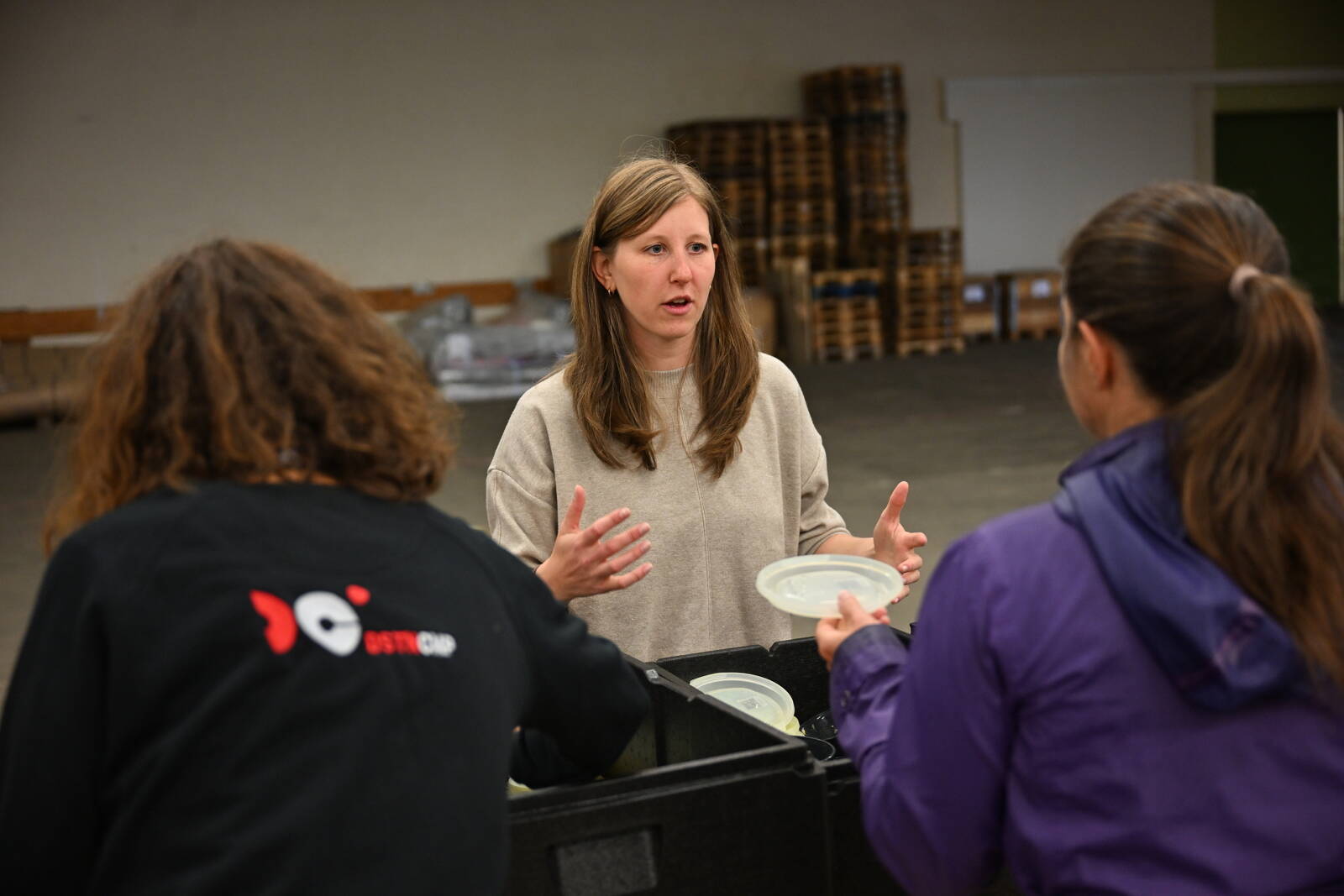
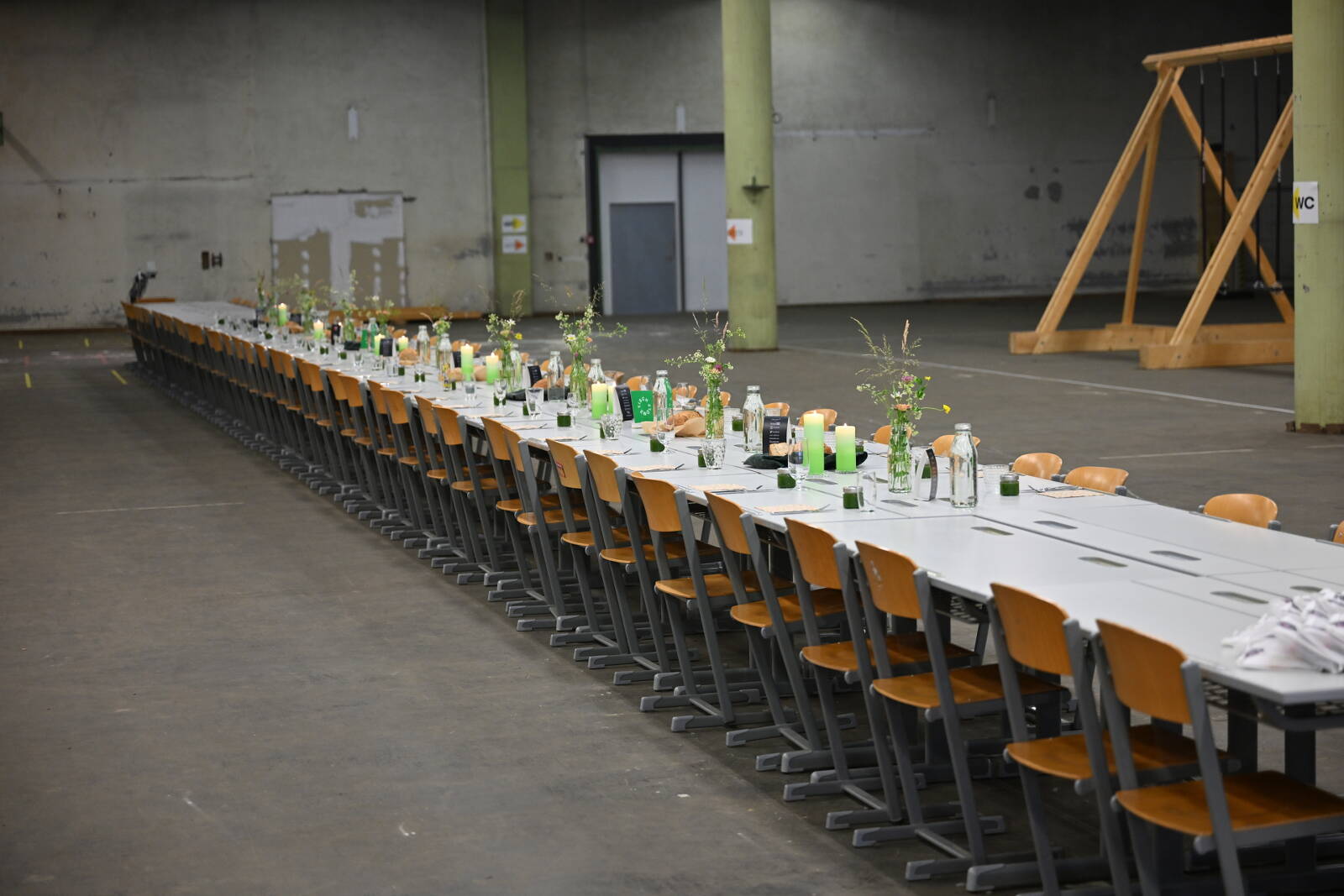
To conclude the Friday session in Dornbirn, participants were treated to a communal lunch by Tisch Zwölf at a long table in another industrial hall. The initiators stated: "For our environment, it's 'five minutes to midnight'."
Together with farmers and restaurateurs from Vorarlberg, they aim to provide healthy, sustainable, and delicious "Food for the Future" for toddlers, schoolchildren, students, employees, and seniors.
Tisch Zwölf is now available in three cities in Vorarlberg. For the DSTNCMP24 participants, raw kohlrabi salad was served as an appetizer, along with steamed bok choy with mashed potatoes and herb frittata. To finish, a vibrant green cucumber-mint shot was offered as a refreshing pick-me-up.
All results from the 32 sessions, impressions from the data:room, and the extensive range of experiences can be found in the EXHIBITION SHOWCASE24. It will be published in August 2024.
A summary will be presented in October at Talk Tourism #4 in Munich.