DSTNCMP-PREMIUMpartner


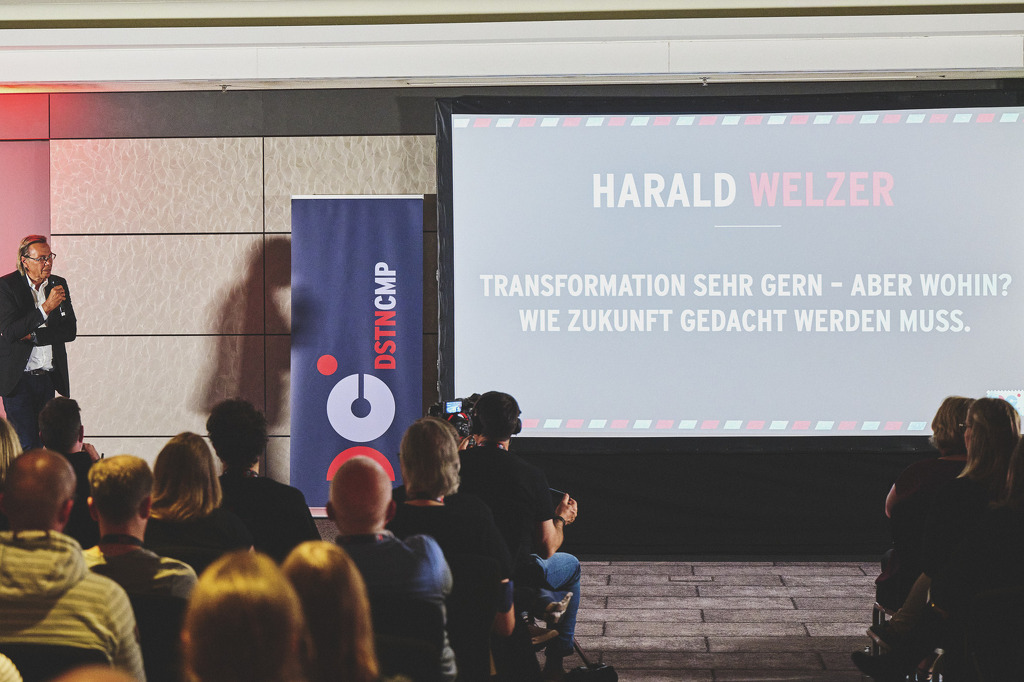
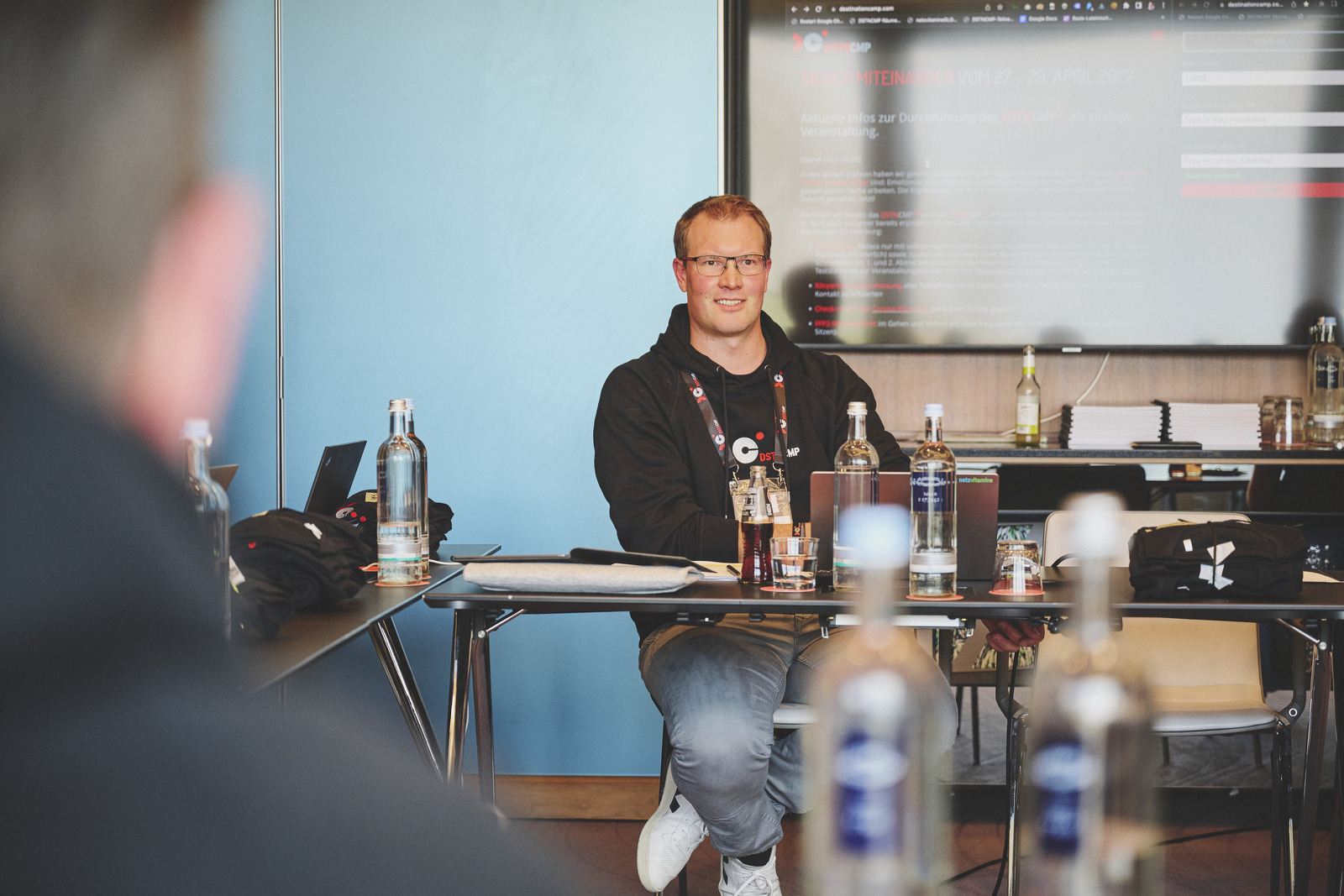
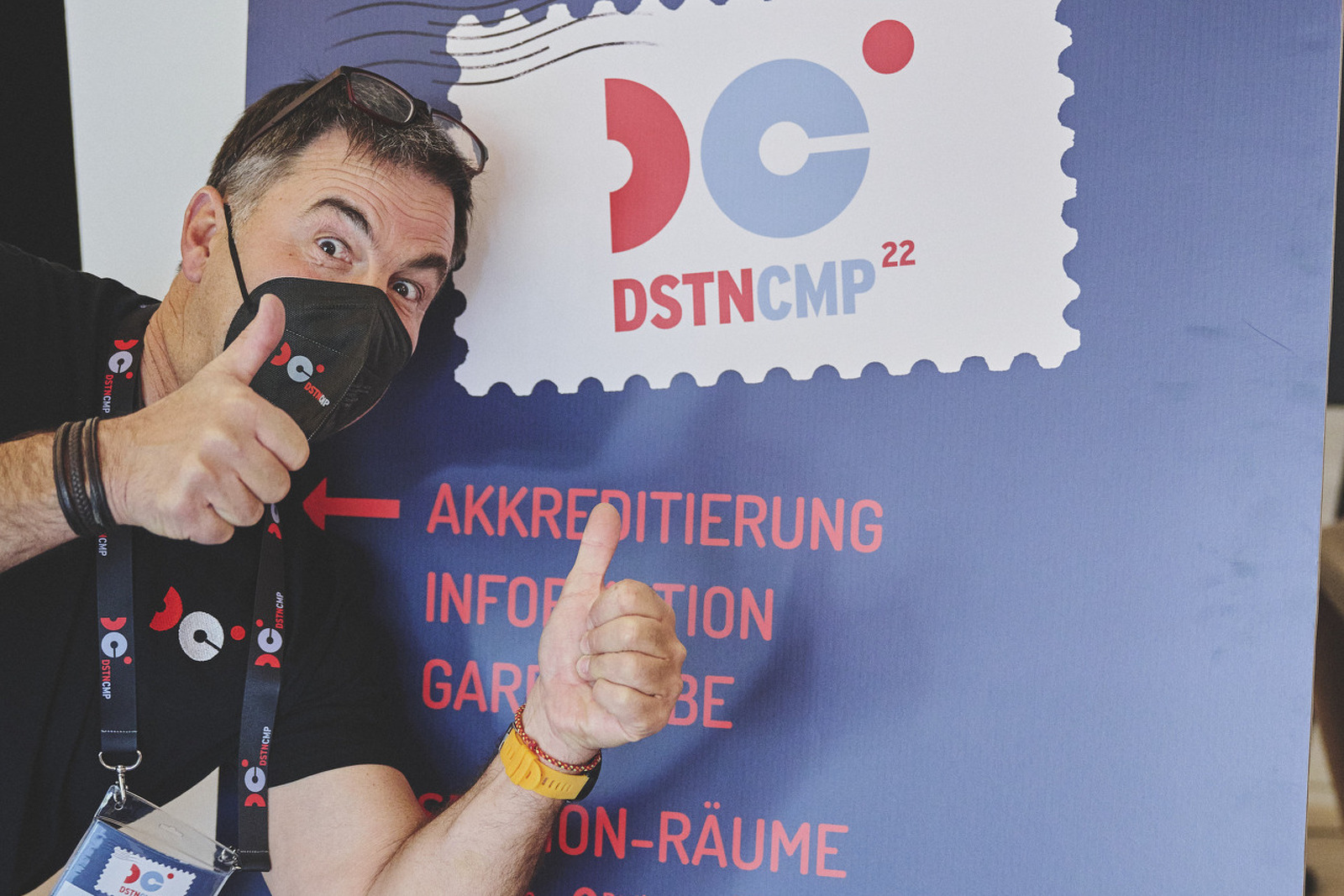
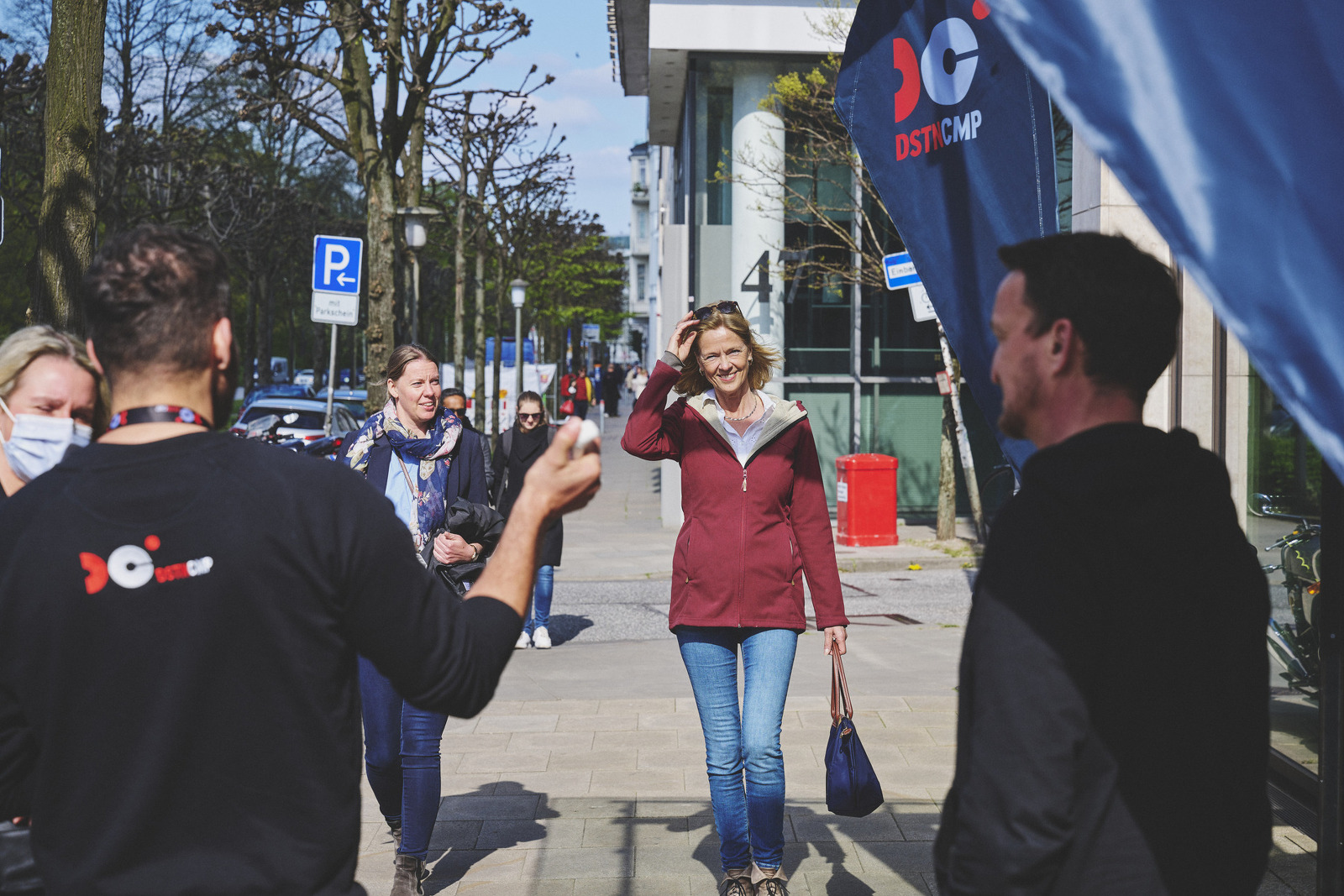
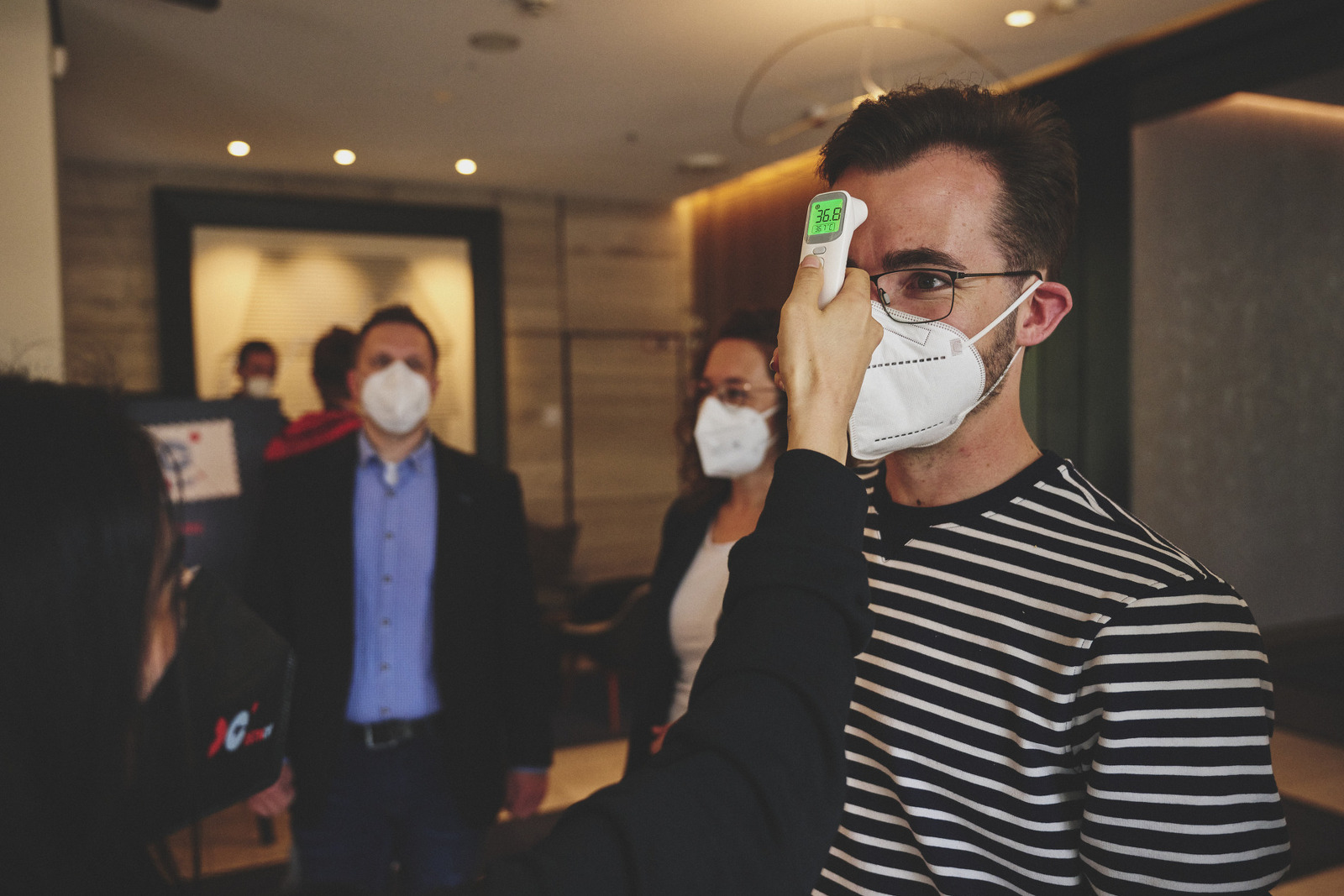
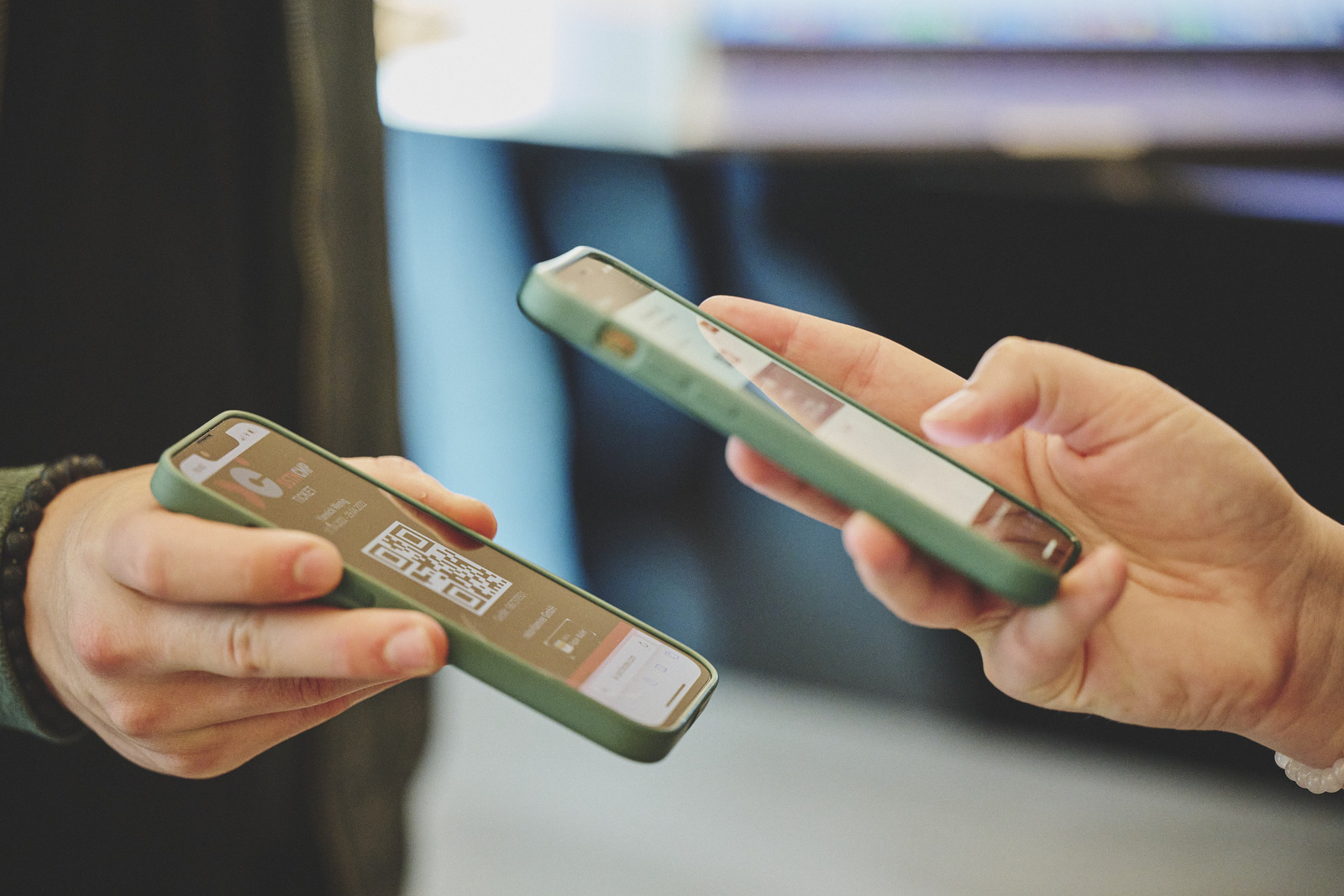
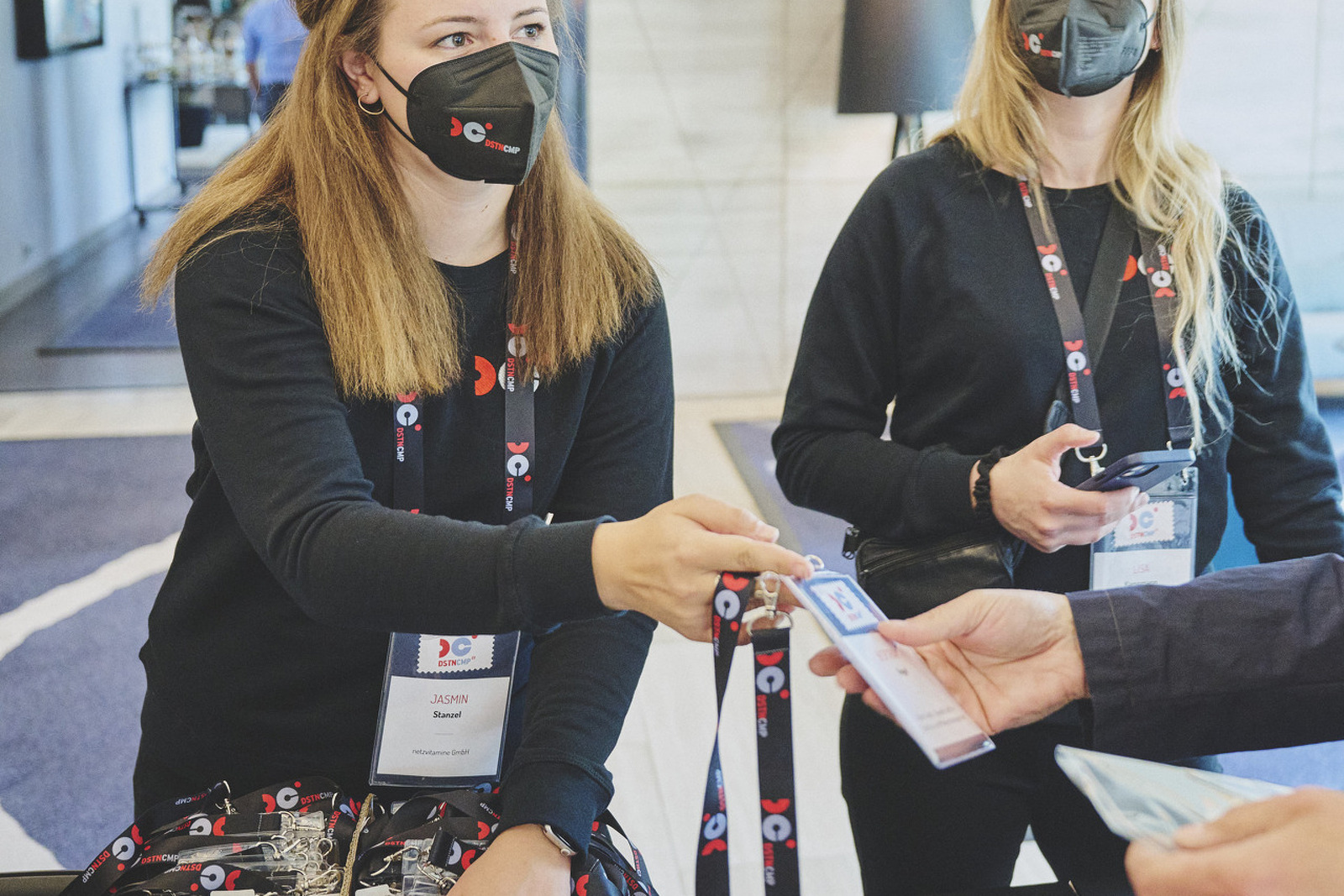
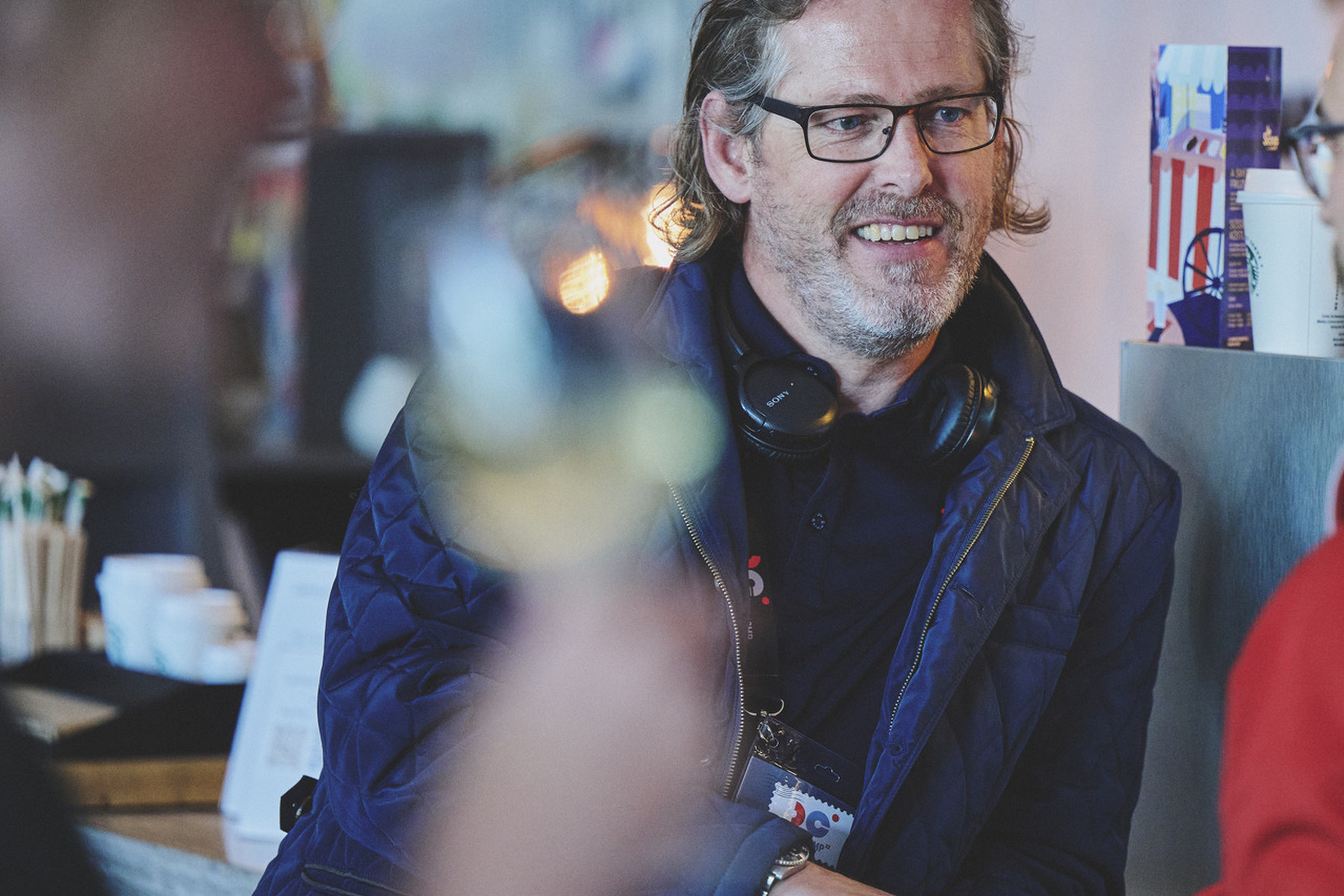
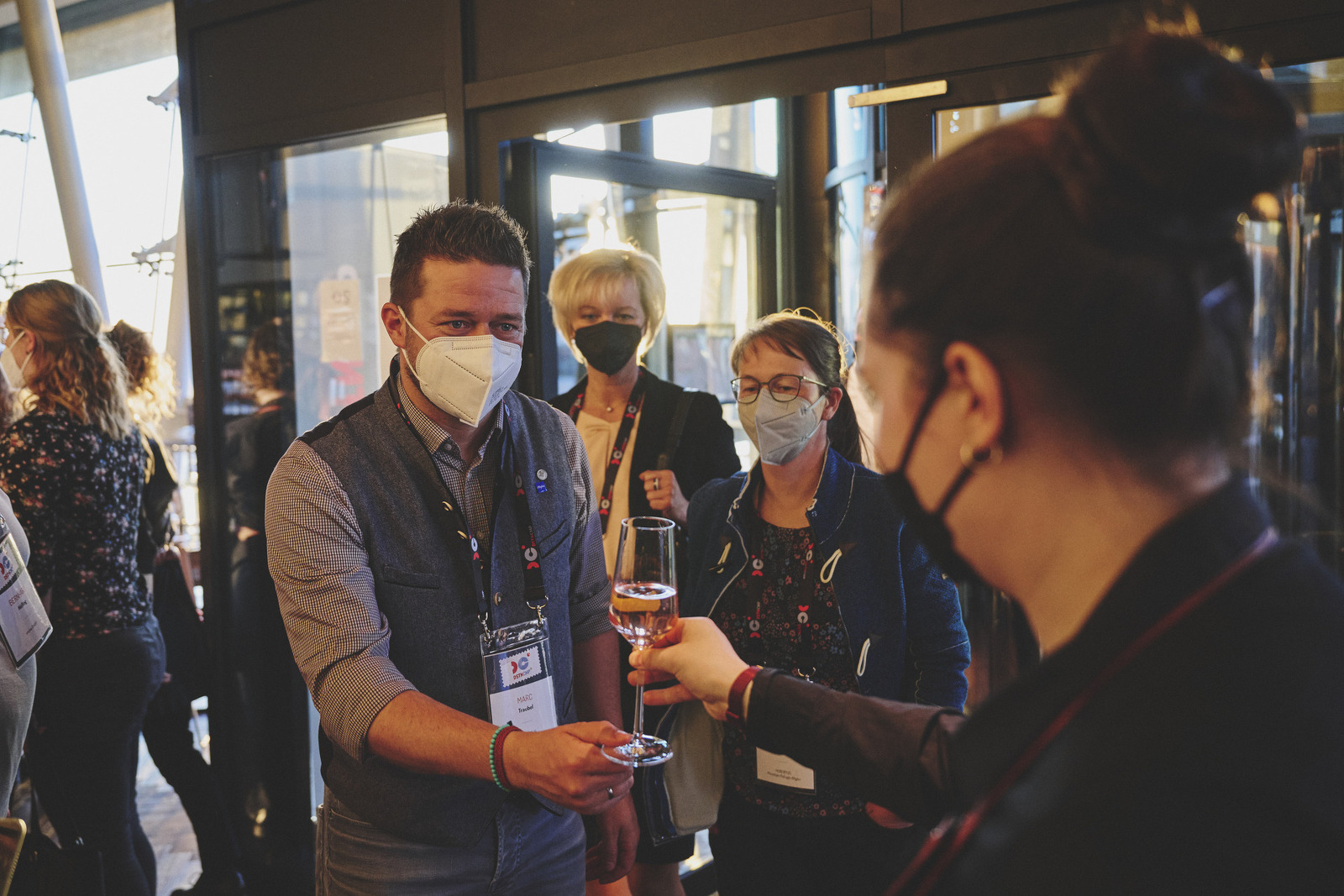
The sun shone with spring warmth. Clouds reflected among the rowers and sailors on the Outer Alster, while from 4 PM onwards, the first of over 200 participants of DSTNCMP22 accredited themselves in the foyer of Le Méridien in Hamburg. However, this was only possible upon presentation of a vaccination certificate, a current test, temperature measurement, check-in with the Corona-Warn-App, and wearing an FFP2 mask – as the strict hotspot regulations of the Corona ordinances are still currently in effect in the Hanseatic city.
For what was provisionally the last time, experts from Germany, Austria, Switzerland, and South Tyrol met in Hamburg – at least, that's what they learned from Benjamin Buhl, the chief organizer of DSTNCMP, during the opening at the Le Méridien design hotel.
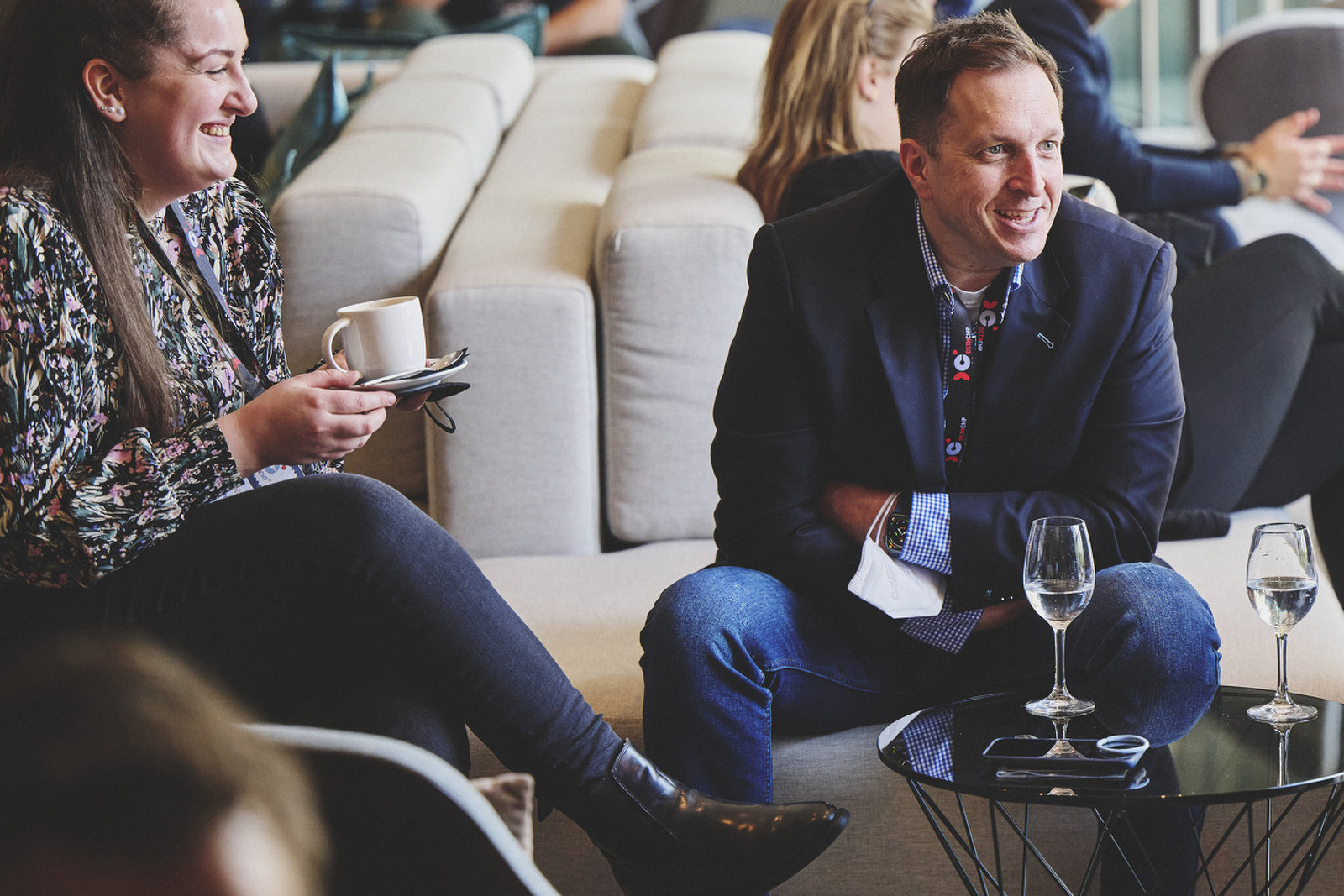
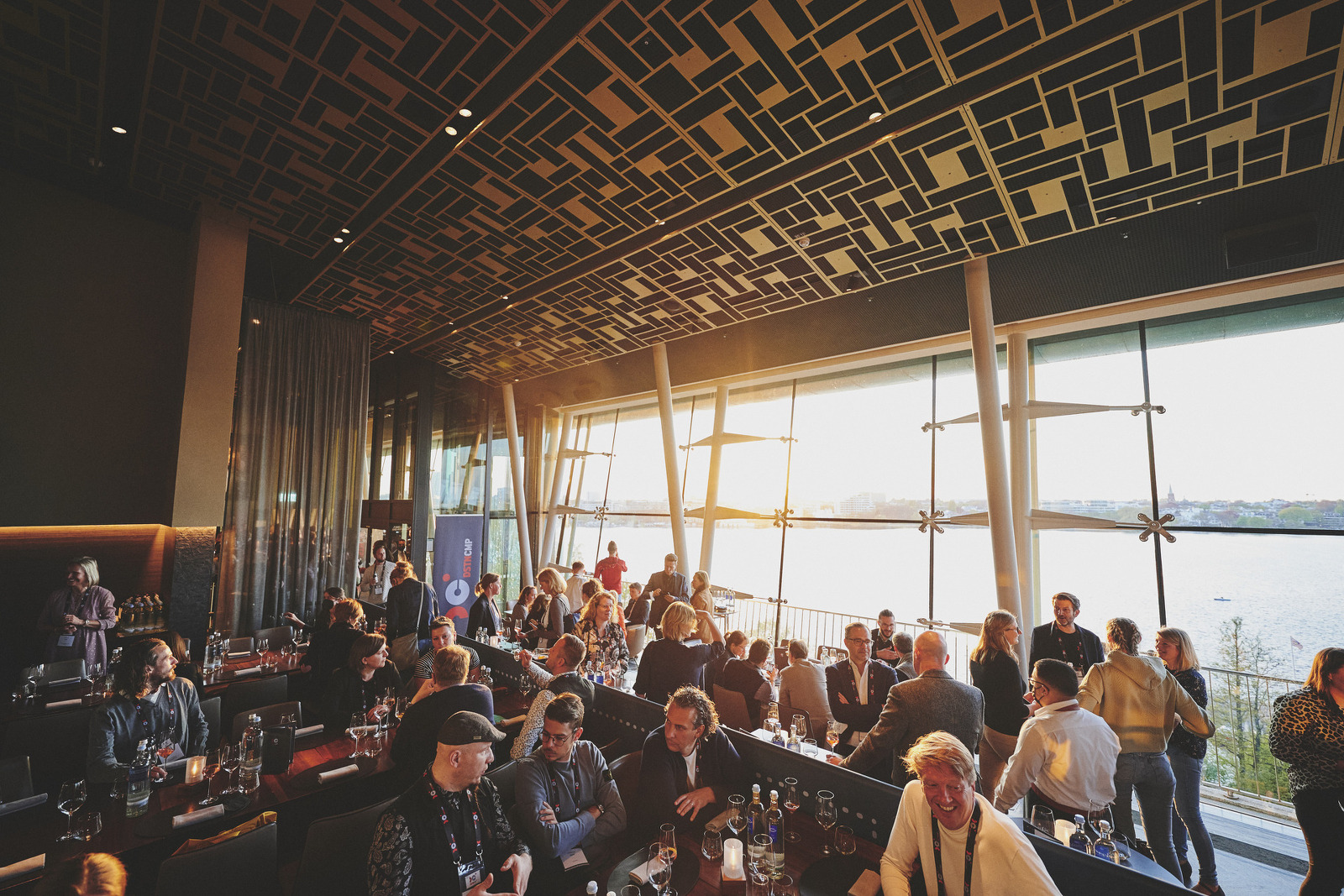
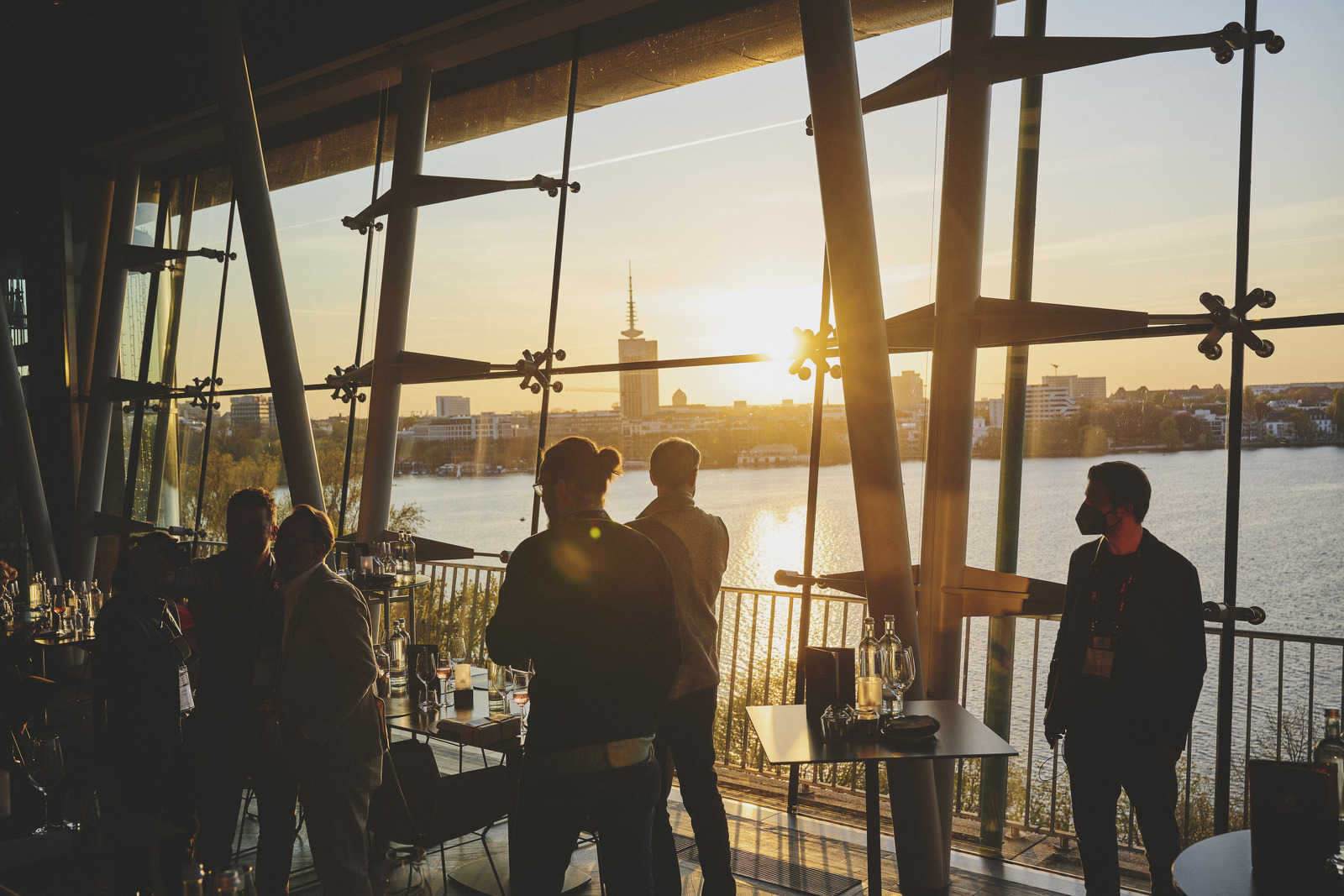
The conference hotel directly on the Alster was an excellent choice: The new conference center, the Heritage restaurant, and the magnificent rooftop bar with its terrace offered fascinating and inspiring views of the Alster, the city's five tall church spires, and a brilliant blue sky. Throughout the hotel, stylish maritime elements provided additional Hanseatic flair.
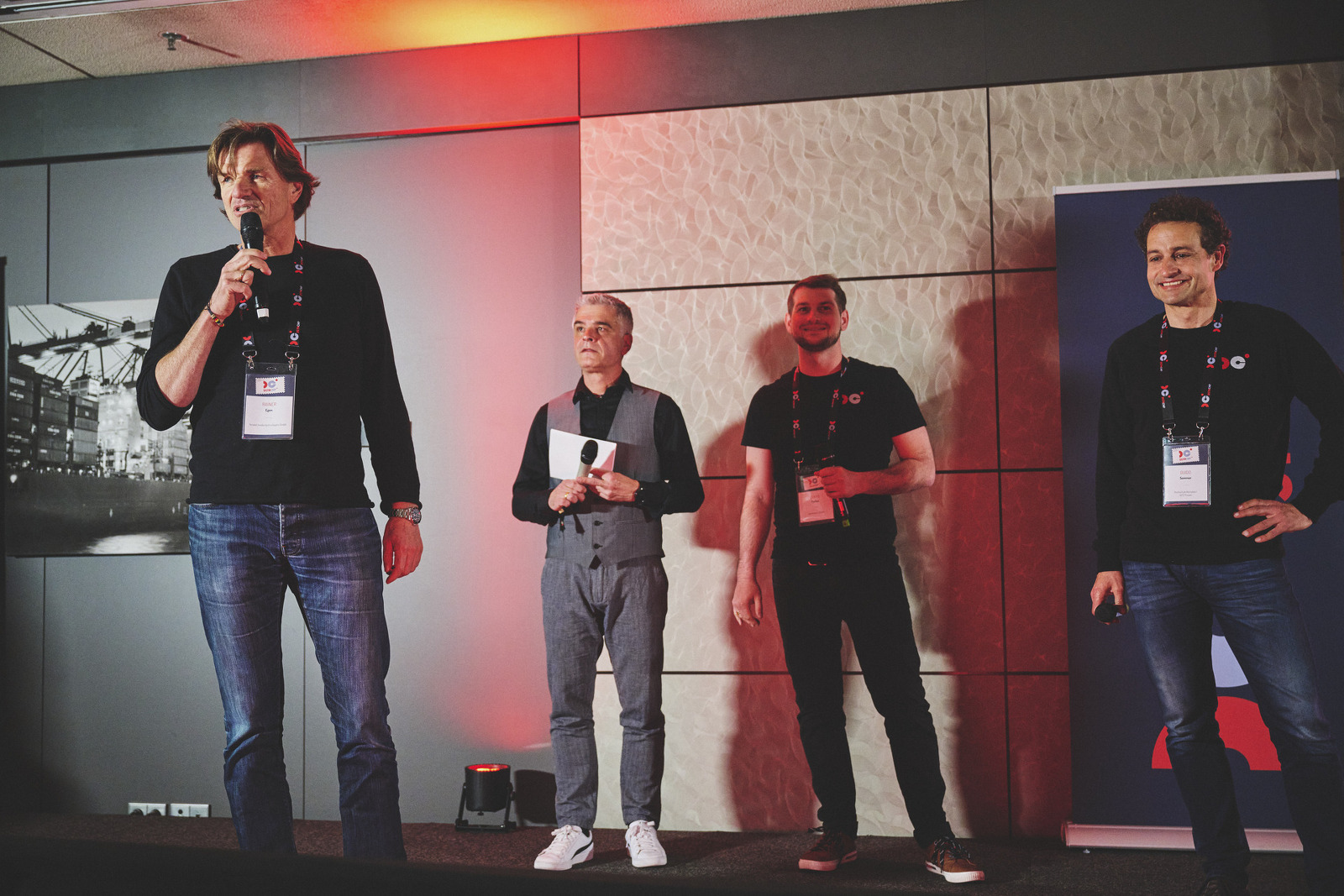
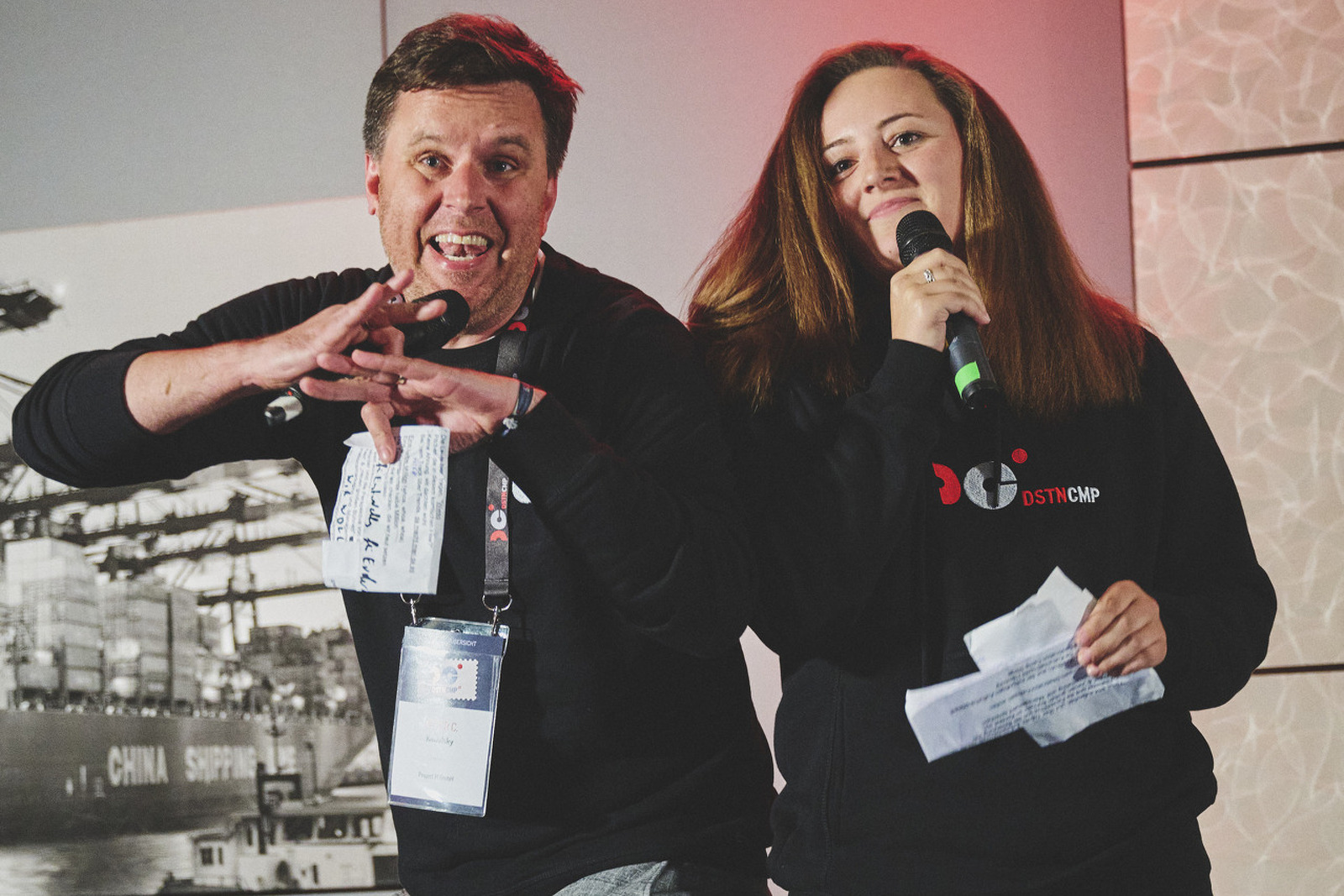
By the opening at 5:30 PM, 222 participants had checked into the silberstern room on the ground floor. Bernhard Lingg, with his dynamically spirited Bavarian style, introduced the evening and familiarized the participants with the organization, Corona rules, and program of DSTNCMP22.
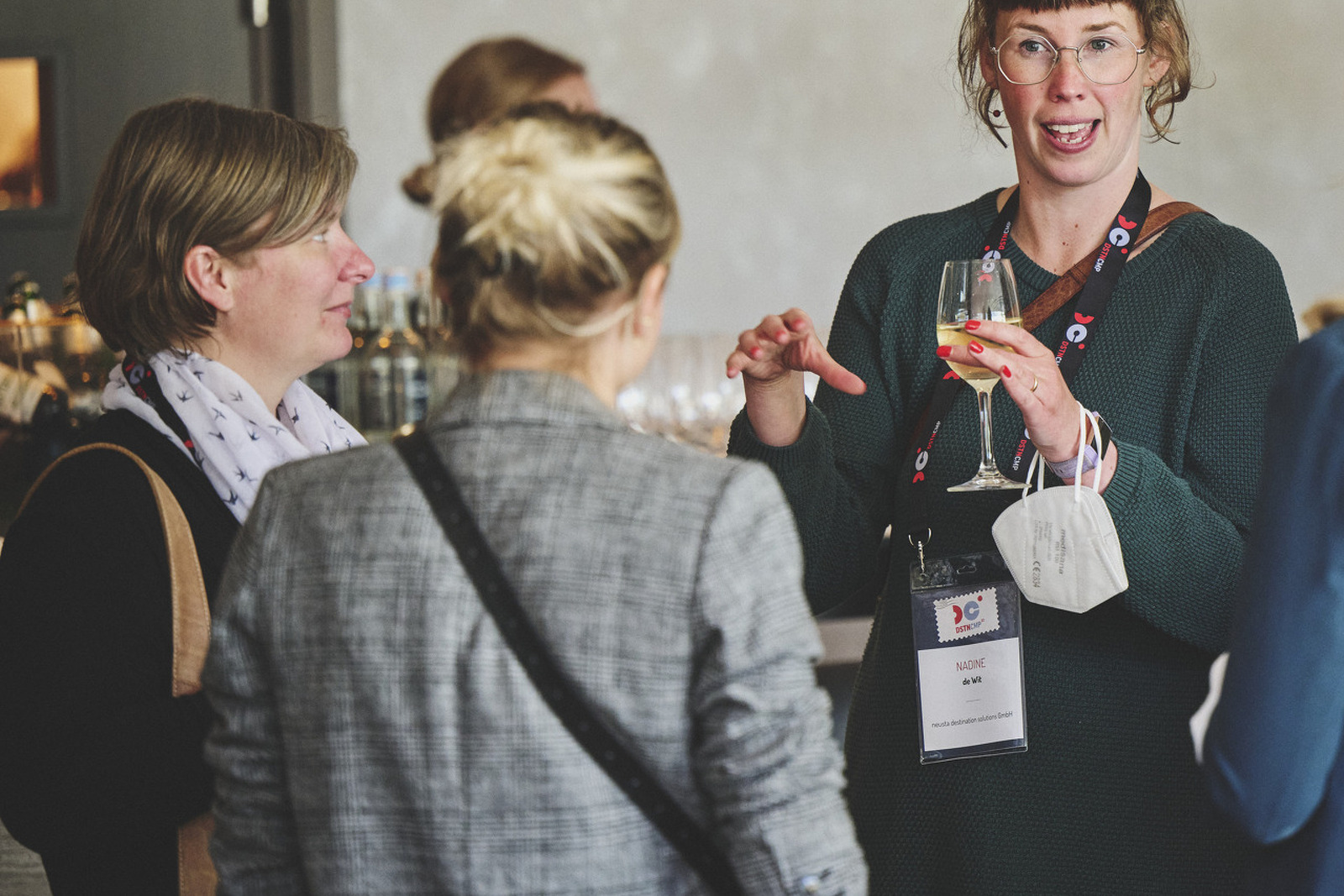
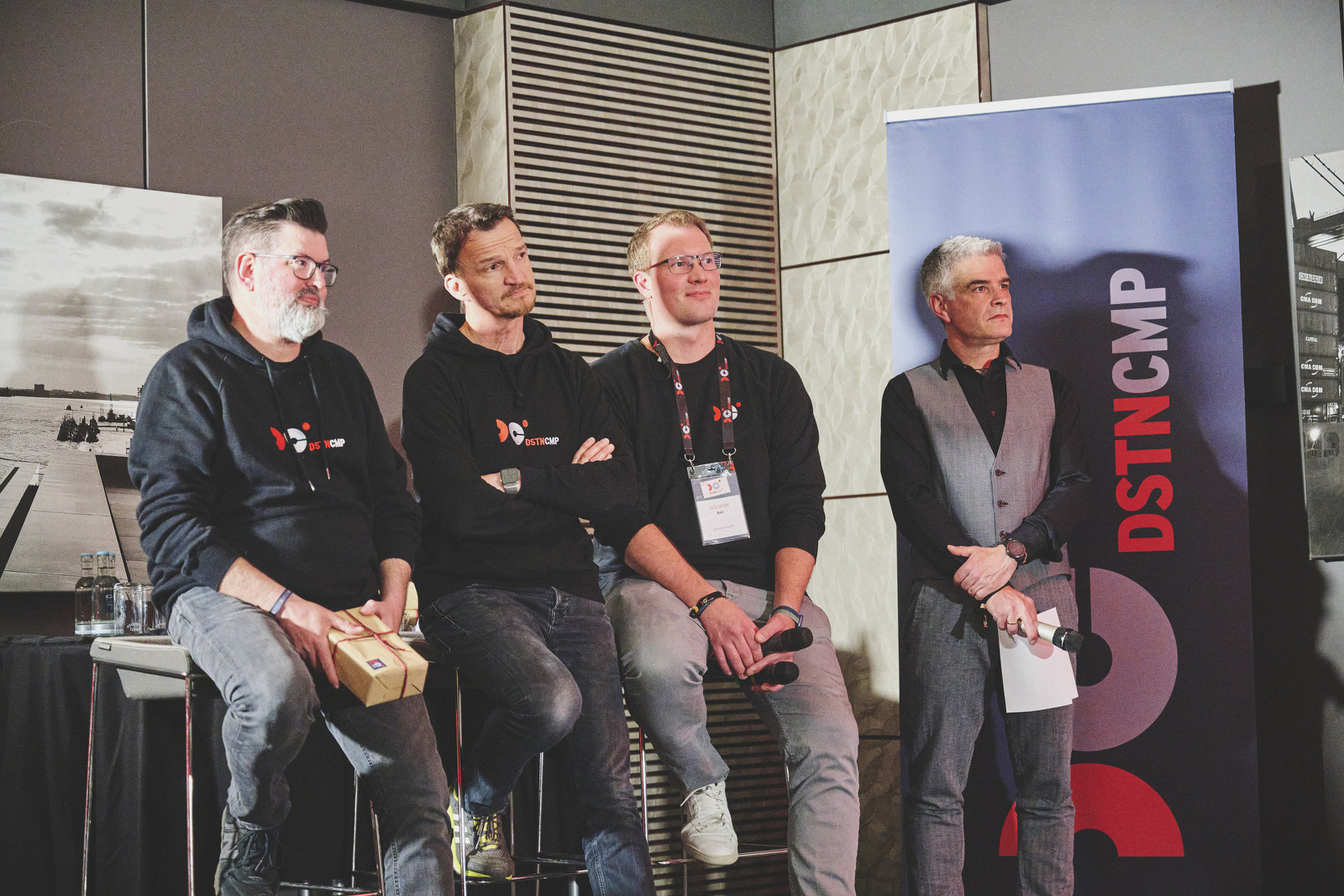
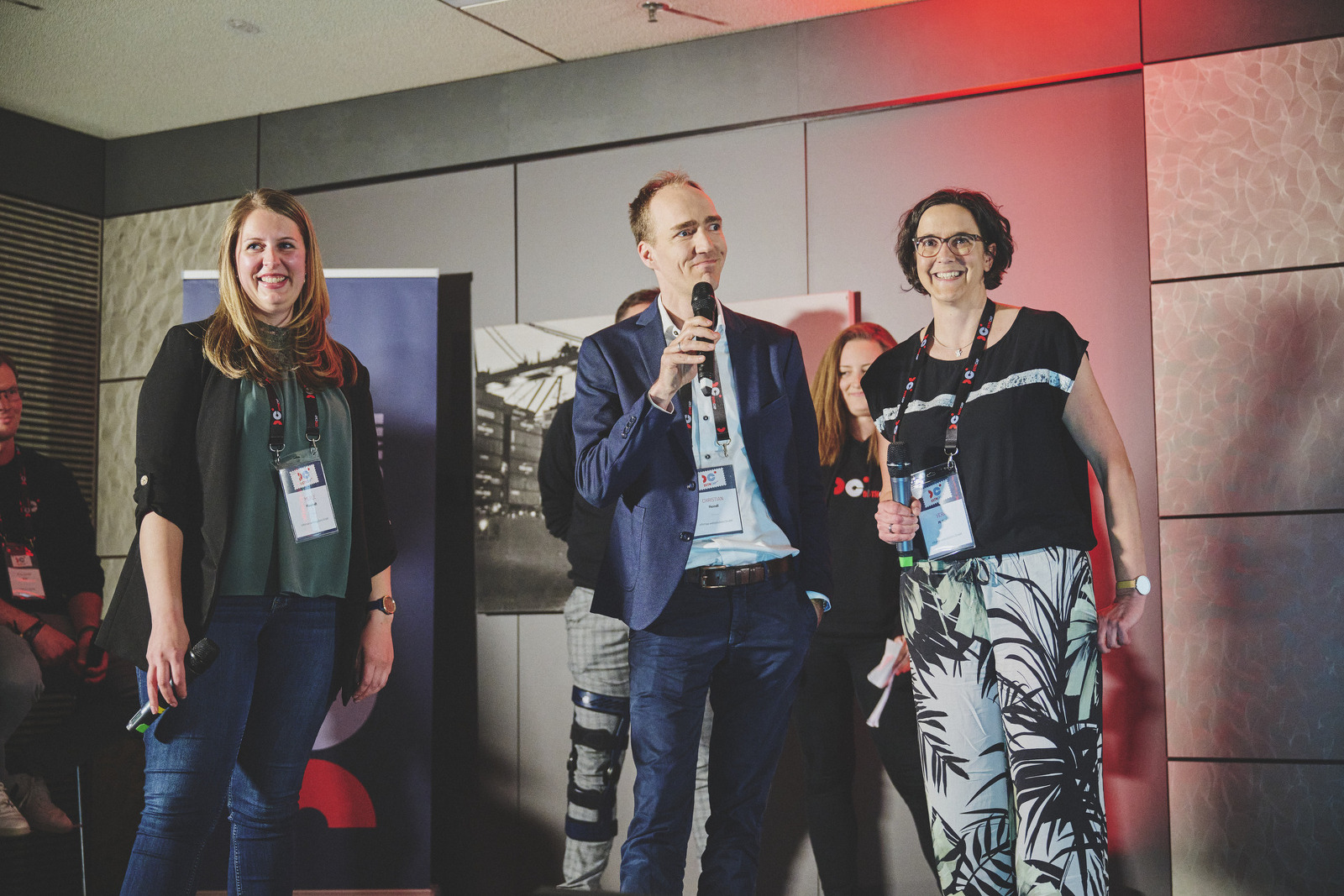
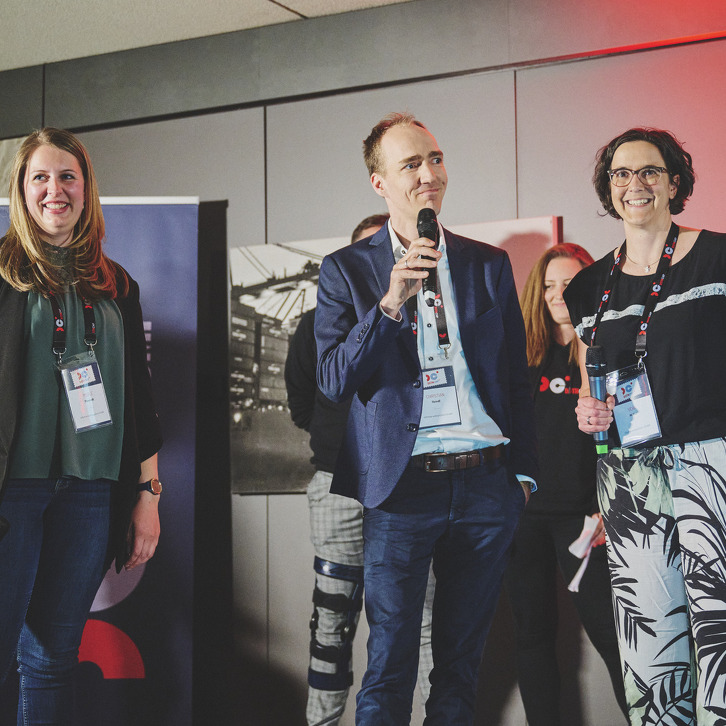
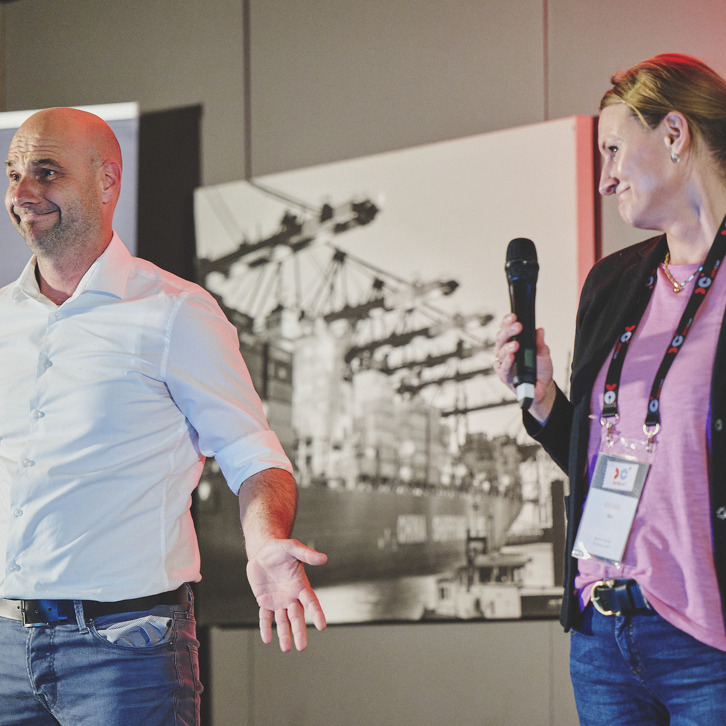
The sponsoring partners were each allowed 20 seconds to promote themselves, and received a thank-you gift from netzvitamine managing directors Benjamin Buhl, Stefan Möhler, and Thorsten Reich, as well as much applause from the participants for their long-standing support.
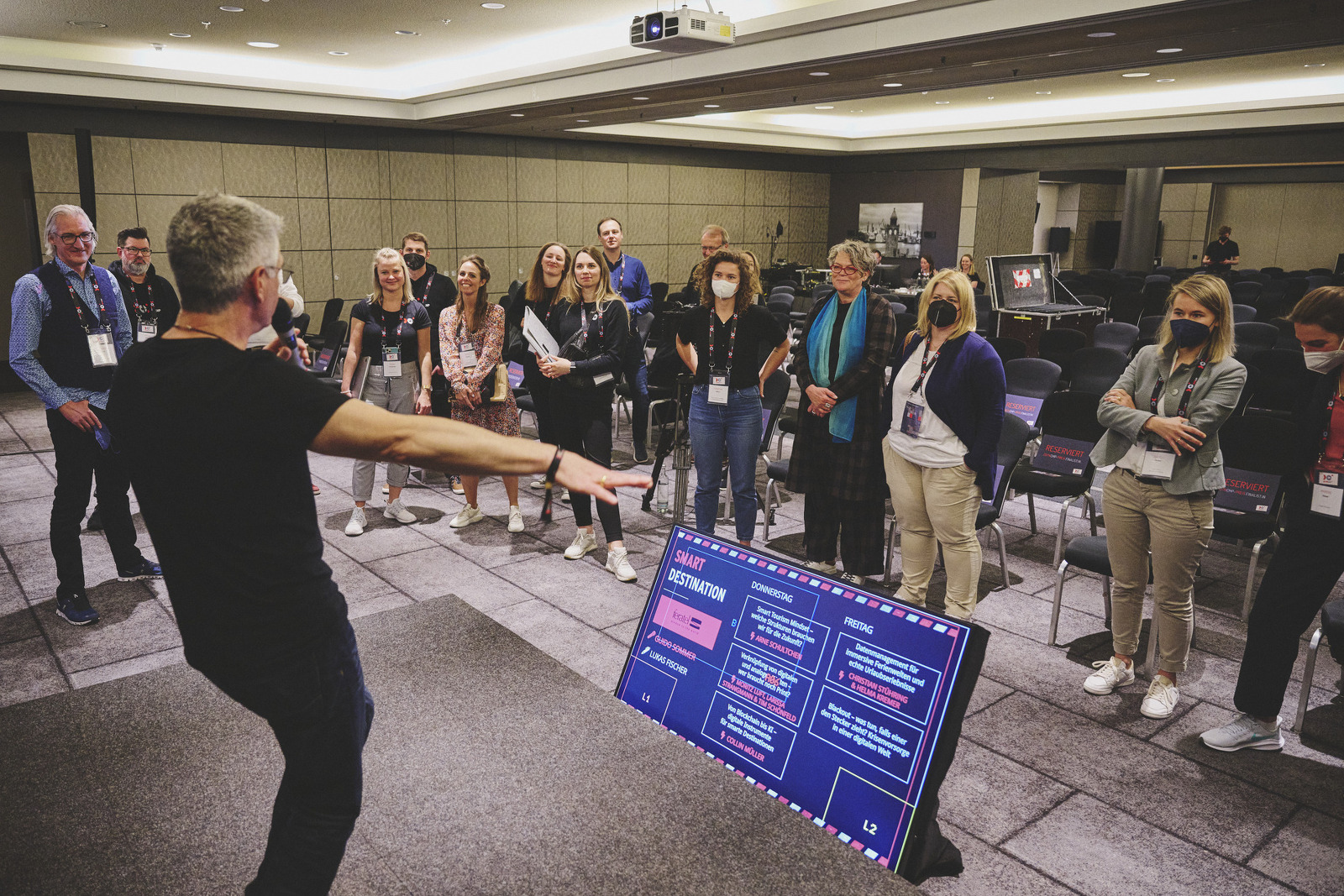
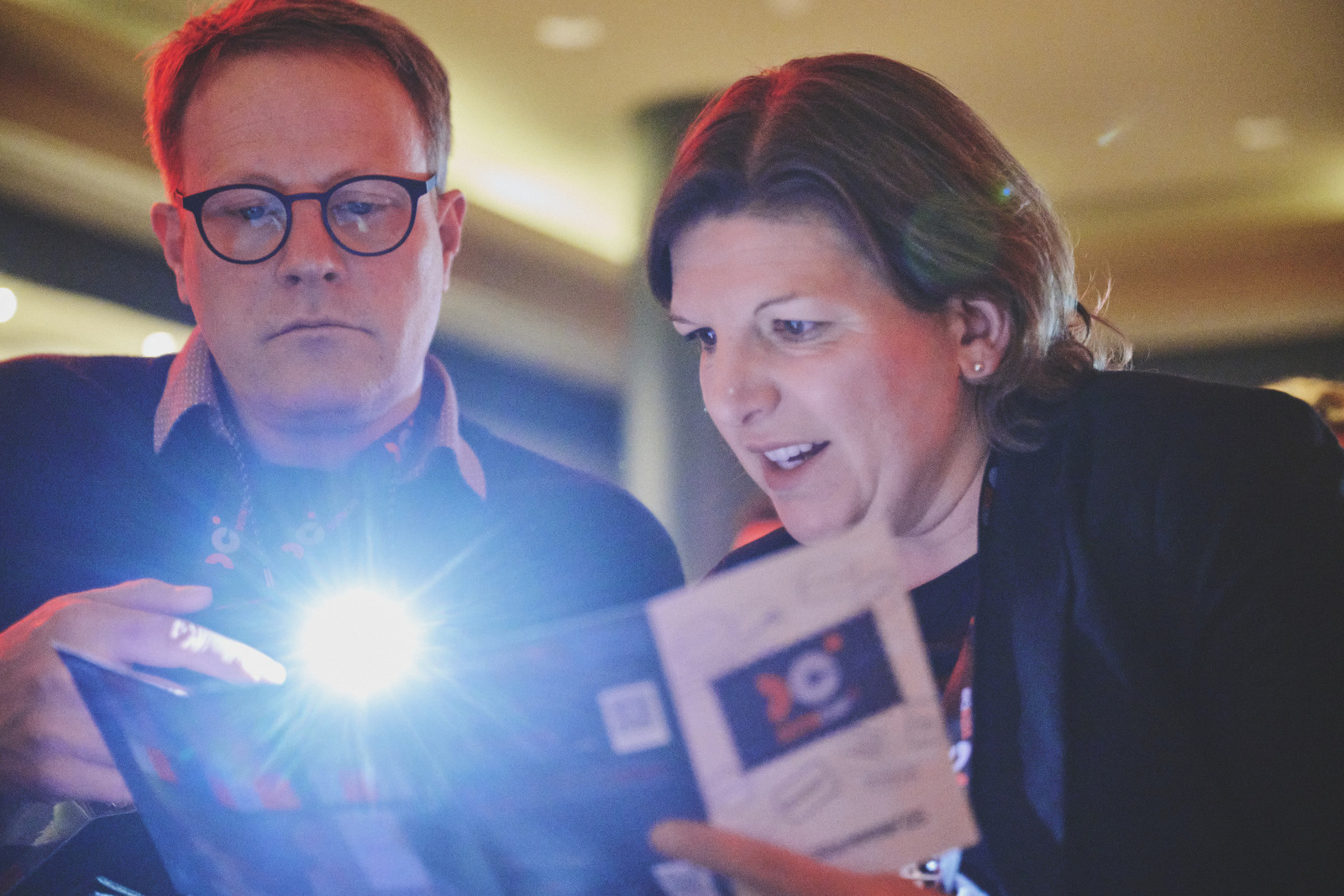
The moderators recruited participants for their topics and sessions during the two workshop days and for the six finalists of the inaugural DSTNCMP Award to present their projects: In their elevator pitches, they were able to showcase what they had developed based on ideas from previous years and WERKSCHAUissues.

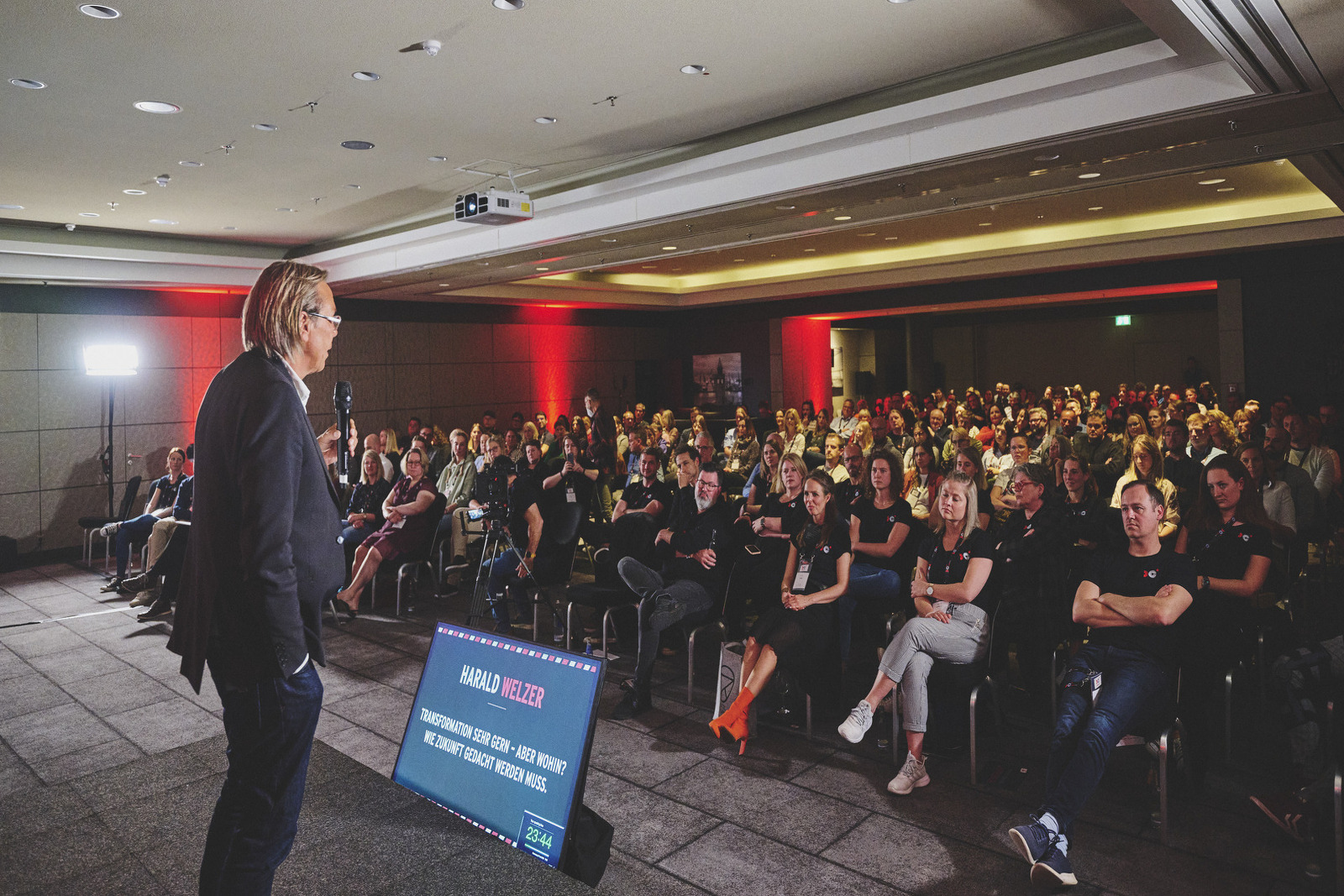
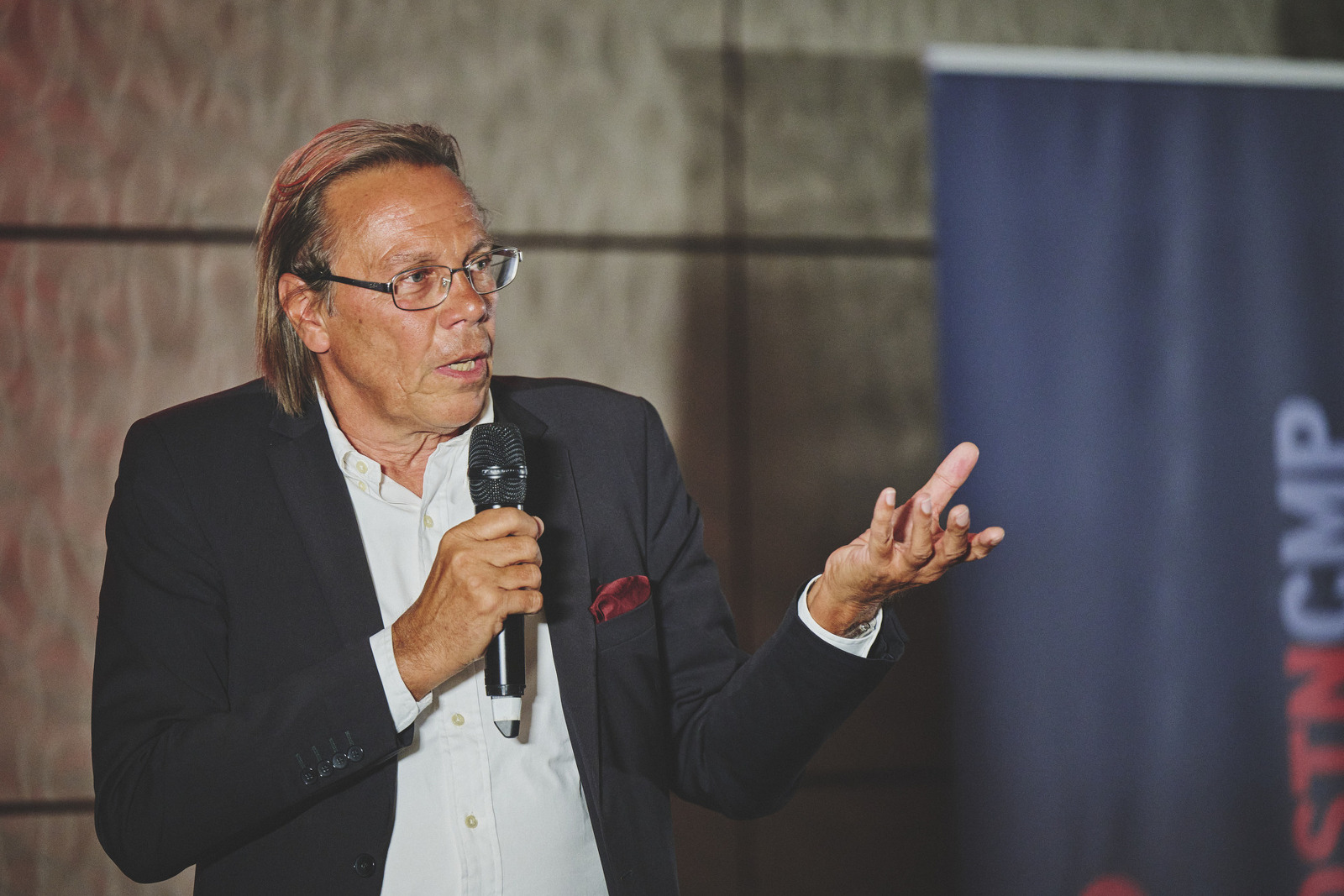
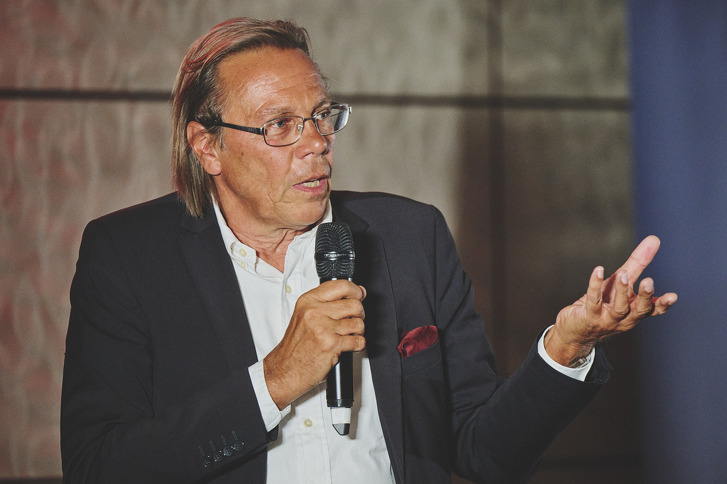
The fact that after almost two hours and despite a strenuous journey, everyone still listened attentively to keynote speaker Harald Welzer was thanks to his eloquence. The sociologist and social psychologist is considered one of the most controversial intellectuals in Germany. He is the director of Futurzwei, a non-profit foundation that advocates for a sustainable, grandchild-friendly, open society. Not business as usual, but post-growth and common good economy.
His topic: "Transformation, yes please – but to where? How the future must be conceived" captivated the audience for a good 50 minutes. His warning: "We are not making progress on the transformation question because we ultimately always communicate that everything is great as we have it now, but unfortunately, we still have to do something else – for example, decarbonize."
Electric cars are not the solution; instead, a new mobility concept could be to reduce the necessity for mobility. For example, the community could support a local business owner with rent to ensure local supply, so that one doesn't have to drive 20 kilometers to the nearest supermarket.

It would be exciting to think about the world differently than it has developed in recent decades. However, "major interests" and "structural constraints" stand in the way, preventing people from wanting to exit this development.
Today's world is "historically quite new and totally unique." It has never existed in this form before. "And if one is allowed to live like this, it's easy to imagine that everything will actually only get better."
Yet – according to Welzer – the "crises that follow in ever shorter intervals do not convey the feeling that things are always getting better." Refugees, climate, finances, Corona, war in Ukraine. What if they were all connected to the "major issue of the destruction of living conditions?"
Are these crises an indication that our idea that everything will always continue as it is is not true at all?
Transformation goes much further than the technical question of what new feature we could develop.
"And if I am a member of this culture, what do I want to contribute?" Alluding to Futur II (Future Perfect tense): "We call our foundation Futurzwei (Future Two) because that is the completed future. As humans, we have the ability to project ourselves into a future. And from there, to look back at the path we have taken to arrive at this future. We must ask ourselves: Who do I want to have been? What should my company have been?"
Whoever asks the question this way is "not bound to the present at all", nor to the "yes, but-" and "we must-" and "there's no other way-" arguments.
But humans need a future perspective: "An image of which they themselves are a part."
With long-lasting applause, the DSTNCMP participants acknowledged the brilliant Tour d’Horizon through the current major questions facing society.
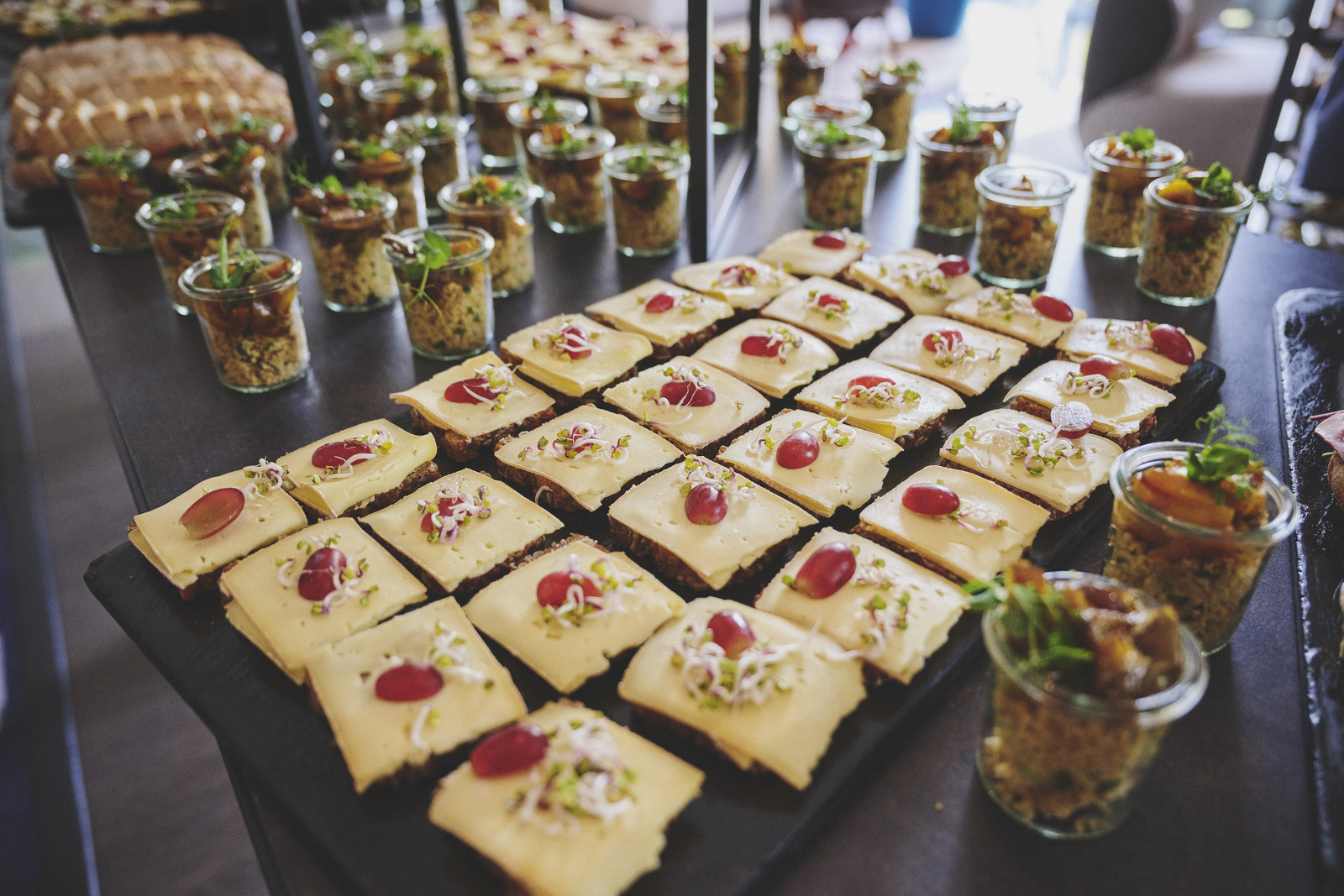
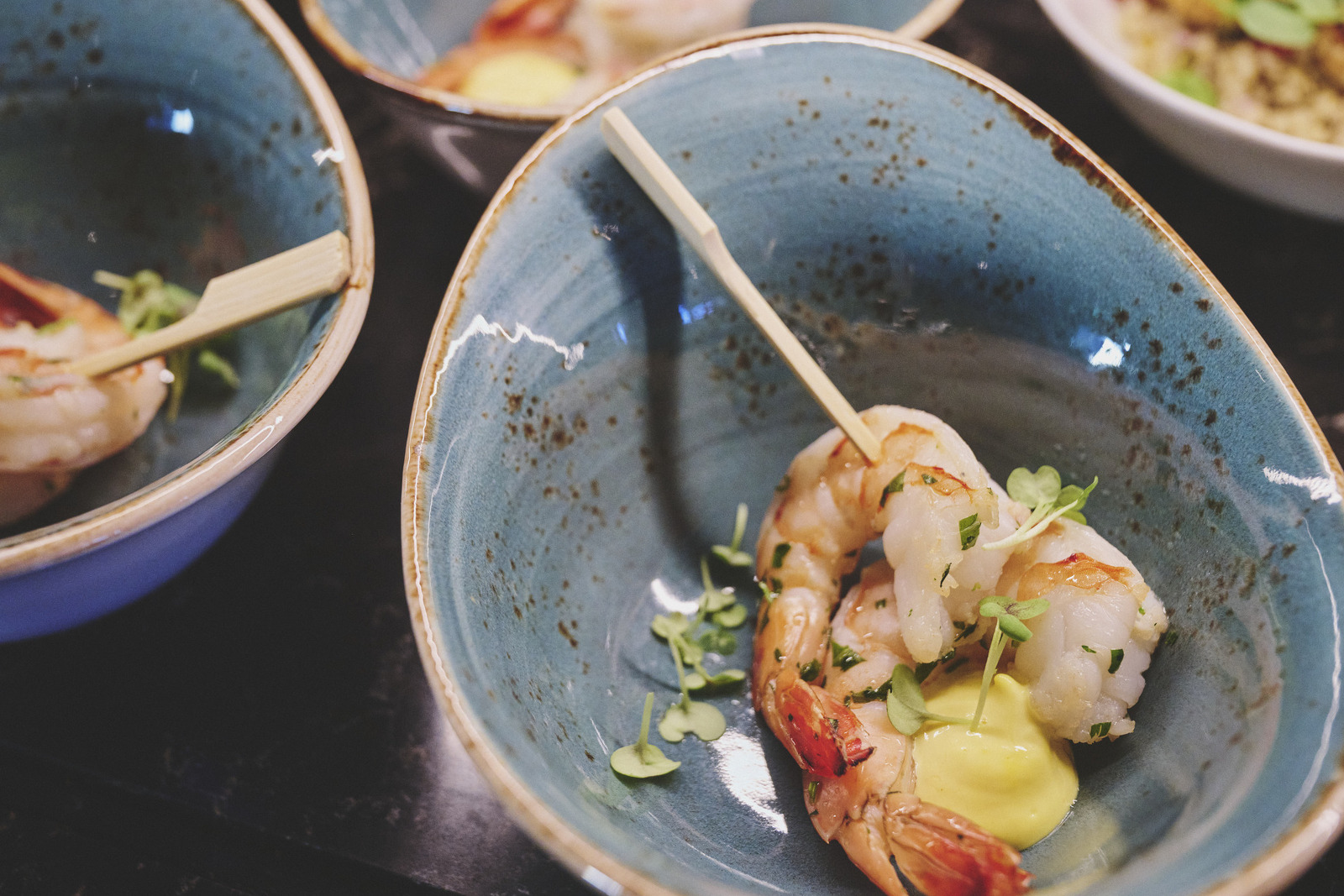
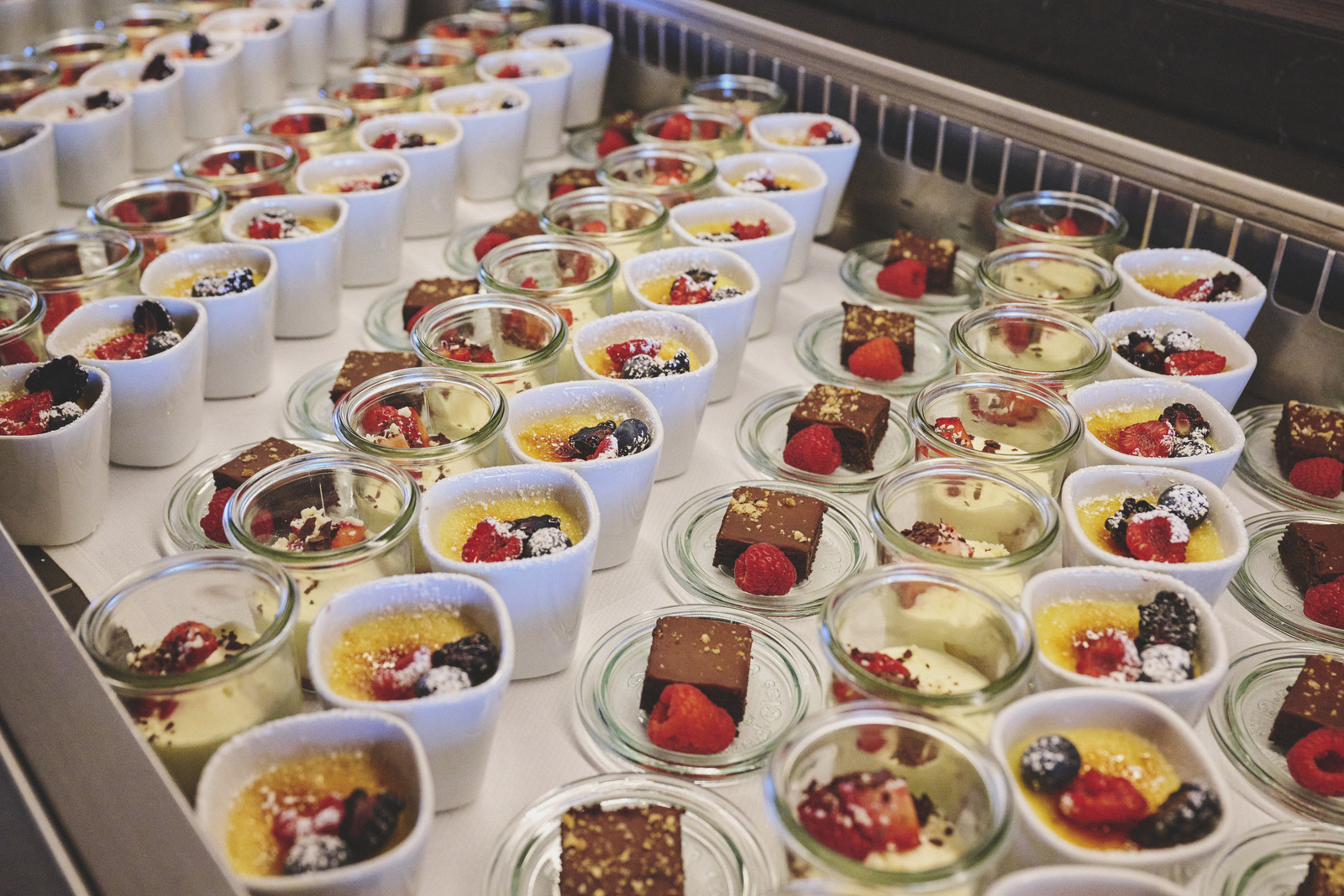
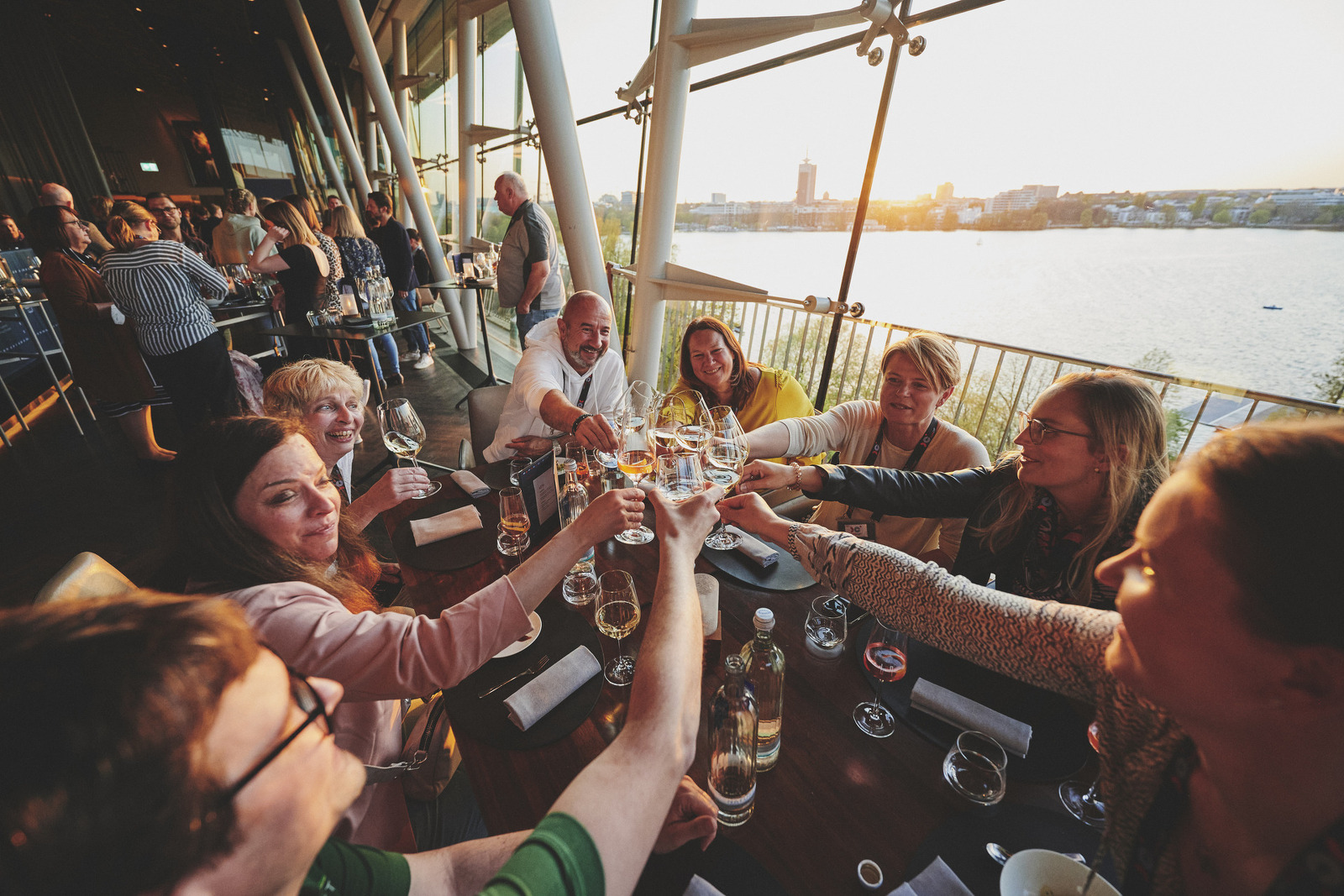
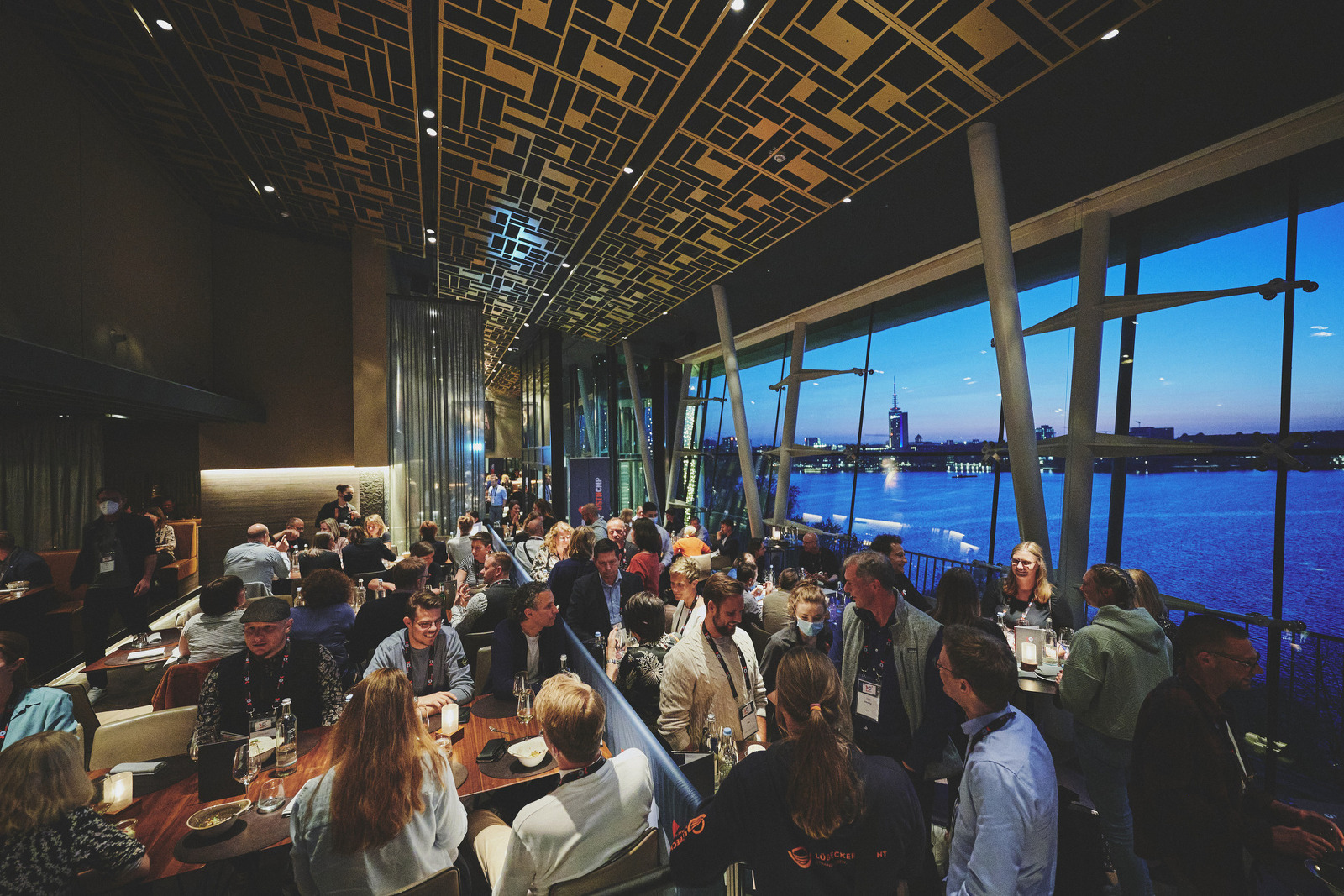
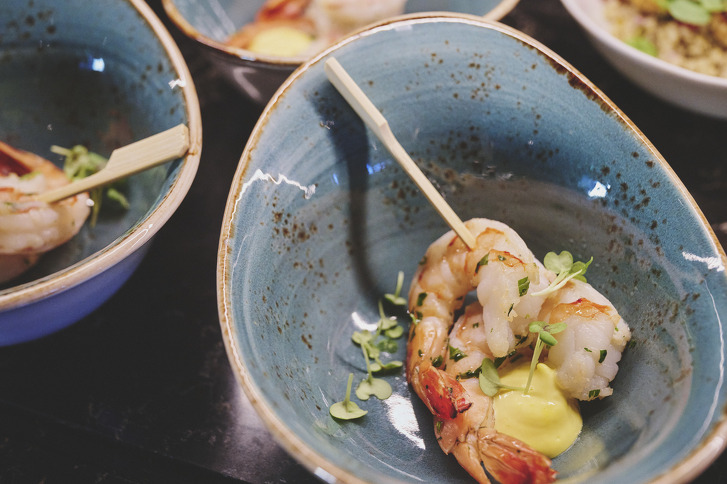
During dinner at the Heritage restaurant on the top floor of the building, the philosophically critical observations on current problems remained a topic for a long time – until Pinot Gris, Pinot Blanc, and Rosso Salentino, alongside shrimp skewers, beef brisket, goat cheese, tuna tataki, quinoa, truffle orecchiette, and strawberry trifle, demanded tongues and palates.