DAY 3 #DCHH17
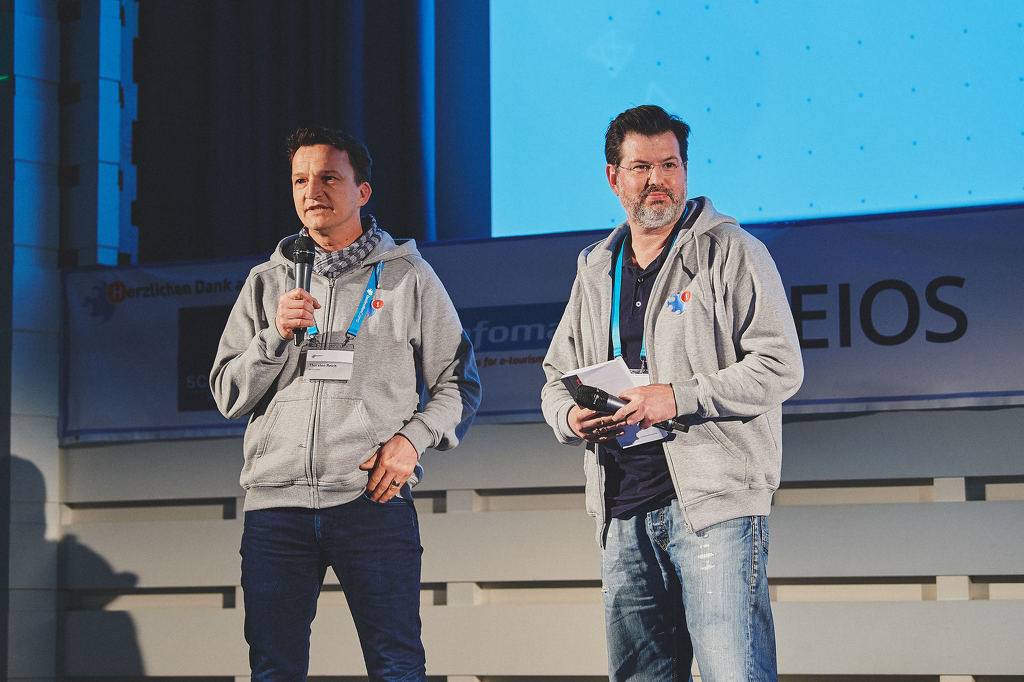
The Human Factor
Everything related to holidays that can be digitized will be digitized in the near future – but the digitalization of touchpoints along the customer journey does not yet guarantee the joyful experience that guests seek in their individual pursuit of a beautiful life. The "key adjustment" for this is the human element. As an empathetic host, a creator of "great" holiday offers, a courteous service provider, or a compassionate conversational partner.
The results of the 7th DestinationCamp in Hamburg, which concluded on Sunday with six scenario workshops, are titled "The Human Factor." Digitalization and Big Data could become effective tools for having more time for guests. They could also lead to increasingly similar holiday products being significantly differentiated by their human component, or to guests voluntarily entrusting more data to one provider than another. In any case, special emphasis must be placed on the relationship between guest – host – service provider – resident in the development of tourism offerings.
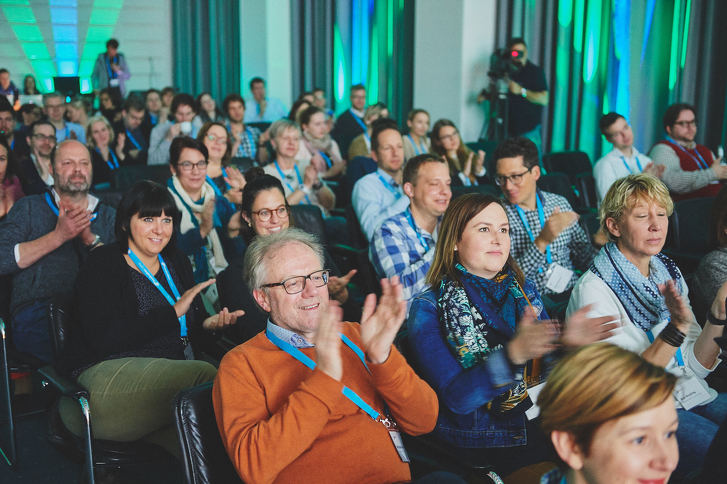
Under the heading Value Creation through Appreciation, 225 tourism professionals and policymakers in Hamburg, from April 28 to 30, analyzed, discussed, and further developed the appreciation of tourism and the relationships among those acting within the tourism system.
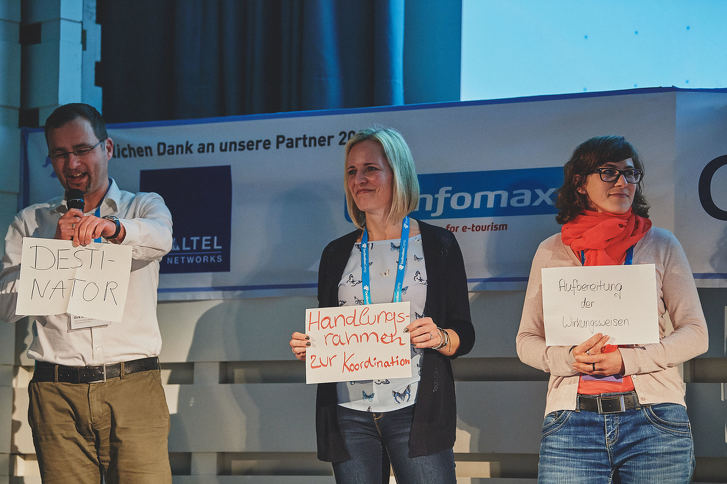
Tourism is a key industry. However, tourism professionals need to emphasize the industry's socio-political and economic contribution even more strongly. And they need the courage to overcome existing structures. To coordinate further development, a national tourism strategy should be formulated, concluded the participants of the Strategy scenario workshop with Cornelius Obier and Mathias Burzinski.
New Happiness Offerings emerged in the Digital versus Analog session. The scenario workshop led by Dirk Schmücker and Achim Schloemer outlined, for example, holiday offerings for the North Sea, Duisburg, and low-snow mountain ranges, which packaged perceived weaknesses of the destination into needs-oriented holiday packages.
The Project Helios - Digital Guest Relationships in the Clarity through Insight workshop by Uwe Frers and Ilka Leutritz demonstrated how meaningfully Big Data could be used for the preparation and follow-up of a holiday.
In the session series Making the Hidden Visible by Georg Müller-Christ and Sybille Wiedenmann, participants could mentally perceive how relationships within a system or organization can change when the Human Factor is realigned.
In the Sales 4.0 scenario workshop, participants led by Ullrich Kastner and Gunar Bergemann were certain: "For the results-oriented use of available data, a DMO needs an interface manager." This person, independent of hierarchy, cross-departmental, and at the highest level, must control who receives which data via which interfaces.
And at the Magic Round Table by Claudia Brözel and Kirsi Hyvaerinen, the participants of the scenario workshop concluded: Tourism is the valorization of culture. For this, they suggested the Citizen Exchange initiative – for example, residents of Germany should swap homes and places of residence with residents of Romania for a certain period, not only to better understand the culture of the other country but also to see and appreciate their own surroundings with fresh eyes.
The 116-page Werkschau *Stellschraube Mensch*, featuring the detailed results of DestinationCamp 2017, is expected to be published in August.
And here is the video summary of Day 3! The 2017 video documentation for the third day is presented by Wilken Software Group and feratel media technologies & wetter.com:


