DSTNCMP-PREMIUMpartner


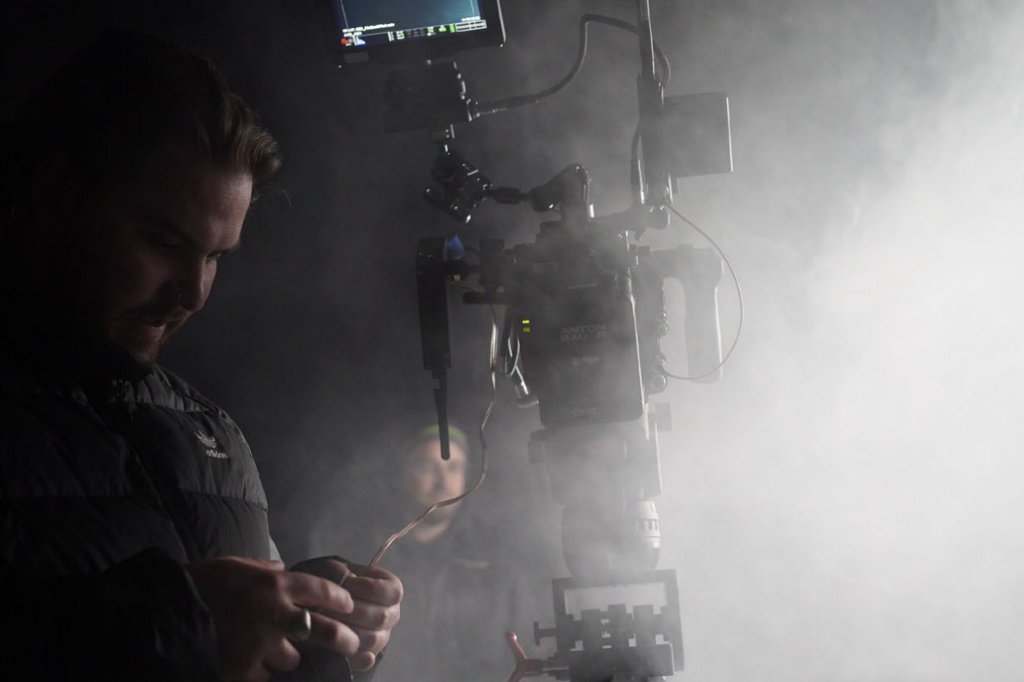
An insider tip upfront: Christmas comes every year. Reliably. And so does spring. And hiking season. And the city festival. Absolutely. And then the digital archives are opened again, and photos are sought to create social media posts, enhance the website, and run Google Ads. Or content is quickly created with a phone.
Ensure timely secondary utilization
But where are last year's clips? Where are the videos? Where are the digital archives for film content? Many destinations have professional (image) films, but where is the raw material for them? Is it with the film production company? In case of doubt, does it even have to be re-licensed and paid for secondary use? That's a foolish mistake. It's inefficient and expensive.
Even mobile phone videos are valuable.
Another example: In the marketing departments of DMOs, mobile phone videos are diligently shot to fill social media channels. That's good. But where do you store this content? "We don't need to organize it, it's only played once," we often hear. Unfortunately, that's a bit short-sighted. Because spring will come again, but I already mentioned that.
Note: Content is gold! No one would think of only using images from a professional photoshoot once and not backing them up. So why do many treat film clips so carelessly?
Three tips for cost-effective and professional video marketing:
1. Organize the raw material
Whether it's a mobile phone clip or a professional production: Have the raw material given to you and store it digitally. The raw material automatically belongs to the customer upon payment of the invoice, at least with us. We consider this fair business practice, and our customers greatly appreciate it.
With the cost-effective media management tool, they can view, tag, and easily organize all their raw material. And if we are to edit a new film from it, there's a shopping cart function for existing video footage.
2. Think in scenes, not in films
Once all raw material is in one place, resourceful marketers will immediately get new ideas for new postings when reviewing the footage. Combine two or three scenes from existing material, add a different message or a new claim, and the new posting or thematic film is ready.
An example: We recently created a two-minute image film in English for a client from Allgäu – using existing material. Only one statement had to be re-recorded. It was completed within ten days, from the initial inquiry to the finished film.
A second example: For a hotel, we created ten short social spots from existing material from a previously produced image film and ran them as part of a four-week campaign. Goal: Conversion to the landing page. Success: Resounding. Budget: Very manageable.
3. Website Header as Video
Is the header on your website still a photo? How much more appealing is a short film sequence? Test it yourself: Every tourism manager is also a customer, consumer, and guest. Aren't you also more drawn to a short film sequence than a photo? You don't have to commission elaborate films for this: every destination can now do this themselves. But for that, you need a pool of raw material. Don't you have one? Then go back to 1.
Budget-friendly: content repurposing
Repurposing content works, especially in times when marketing budgets are not as generously filled as before. Tourism is emotion. Film is emotion. And when it comes to evoking emotion, video footage simply beats photos by a long shot.