DSTNCMP-PREMIUMpartner


The DSTNCMP²⁶ was characterized by confidence and determination for a value-driven reorientation of tourism. We provided the framework for this with unique locations and new formats.
The tourism industry's space for thought in Brixen offered optional additional afternoon sessions for the first time, providing insights into leading European businesses. Under the premise "from a space for thought to a space for experience", we created an ideas workshop – for experimenting, improvising, hands-on testing, and exchanging.








ACADEMY
Session Speaker
Wednesday, May 06
09:00 – 11:00
Power of Diversity and Team Development – the perfect leadership team
Sabine Pracht, Pracht Change
12:00 – 14:00
Female Empowerment and Leadership – new perspectives in management
Isabell Decker
THURSDAY, MAY 07
09:00 – 11:00
From Mindset to Action – concrete steps towards personal leadership
Katie Tropper, S!nnstitut
12:00 – 14:00
AI SESSION:
AI as a Resilience Factor and Tool in the Corporate Environment
Martin Tauber, Guestnet
WEDNESDAY, MAY 06
09:00 – 11:00
Strategies against Information Overload, Data Chaos & Bureaucracy
Susanne Gregori, secra bookings
12:00 – 14:00
Attracting and Retaining Skilled Workers – Recruiting, Job Boards, On- & Offboarding
Nadine Lämmermeyer, Lerch Genusswelten
THURSDAY, MAY 07
09:00 – 11:00
Predictive Hospitality – Opportunities & Limits of Digitalization for Hosts
Tobias Klöpf, Project M
12:00 – 14:00
AI SESSION:
How AI Changes the Daily Life of Entrepreneurs – from Processes to Decision-Making
Friedemann Schütz, n8n Ambassador
WEDNESDAY, MAY 06
09:00 – 11:00
Strategic Foresight and Risk Scoring of Common Processes – Implementing Dashboards
Elena Schmidt, dwif & Birthe Menke, 4Strat
12:00 – 14:00
Data Sovereignty and Compliance in the Digital Environment
Robert Klauser, infomax
THURSDAY, MAY 07
09:00 – 11:00
GEO instead of SEO – Content Creation Next Level
Georg Koch, valantic
12:00 – 14:00
AI SESSION:
Input for Digital Travel Assistants and the Importance of Your Own Website
Rainer Schmitt, Holidu
WEDNESDAY, MAY 06
09:00 – 11:00
Interpersonal Interaction with Guests of Generation 9:16
Isabell Eimerich, destination.one
12:00 – 14:00
Methods for Faster Team Decision-Making – Between Knowledge Management & Resilience
Gesa Zötler, speak. inspire. convince.
THURSDAY, MAY 07
09:00 – 11:00
Omnichannel CRM Solutions and Digital Loyalty Processes
Philipp Holz, Breuninger
12:00 – 14:00
AI SESSION:
Proper Internal Deployment of AI Agents – Concrete Frameworks for Practical Application
Stefan Huber, destination.one
WEDNESDAY, MAY 06
09:00 – 11:00
Implementing a New Understanding of Tourism with Tourism Impact Score, TYSTO, STOST & Other Key Performance Indicator Systems
Birgit Bosio, MCI & Marco Giraldo, TourCert, Jakob Hillebrand, Eurac
12:00 – 14:00
(Leadership) Networks with Willing Participants for a New Relationship Architecture Between Destination and Guest
Janosch Untersteiner, MCI
THURSDAY, MAY 07
09:00 – 11:00
Innovative Financing and Participation Models: DestinationPay Copenhagen and Others
Meike Jacobsen, Economic Development Bremen
12:00 – 14:00
AI SESSION:
Predictive Analytics for Data-Driven Destination Development
Bernhard Taurer, feratel
WEDNESDAY, MAY 06
09:00 – 11:00
Pragmatic Participation Processes Against Overtourism & Crowdtourism: Local Strategies vs. Political Regulations
Matthias Pens, MV Tourismus
12:00 – 14:00
Tourism & City Management for Residents and Guests – DMO as Operator of Food Service and Shops
Hansjörg Mair, Schwarzwald Tourismus
THURSDAY, MAY 07
09:00 – 11:00
Positive Narratives against Populism and Anti-Democratic Tendencies
Nicole Cogiel
12:00 – 14:00
AI SESSION:
Monitoring Sentiments and Steering Measures Based On Them
Albert Brenner, Outdooractive
WEDNESDAY, MAY 06
09:00 – 11:00
Climate Adaptation in Alpine Tourism in DACH and South Tyrol
Hannes Waldmüller, IDM South Tyrol
12:00 – 14:00
Strategies Against Water Scarcity & Resource Waste
Anna Scheffold
THURSDAY, MAY 07
09:00 – 11:00
Accessibility for All – Digitalization & Baby Boomers
Monica Tetzner, Bavaria Tourism Marketing
12:00 – 14:00
AI SESSION:
AI-Powered (Social) Sustainability & Climate Impact Assessment
Bastian Hiller, I'm Bastian – AI & Automation Expert
WEDNESDAY, MAY 06
09:00 – 11:00
AVS: Tourism and Trade – Advantage Card Platforms as a Tool for Regional Network Management
Gero Weidlich & Sebastian Erb
12:00 – 14:00
Pixelpoint/ dataCycle: The Data Lie – More Data, Less Benefit? Data Architecture as the Key to AI Success: A Practical Example with feratelAIplus
Daniel Walch & Marcus Hofbauer
THURSDAY, MAY 07
09:00 – 11:00
MBM: Intelligently Connected: Leveraging Mobility Data, Sinus-Milieus®, and AI for Destination Development
Sabine Ahlemeier, Andreas Strade
12:00 – 14:00
NumBirds: Keeping an Eye on KPIs: From Spray-and-Pray Newsletters to Individualized Mailings with AI Support (Best Practice)
Andrea Sartori
Power of Diversity and Team Development – the perfect leadership team
Power of Diversity & Team Development – The Perfect Leadership Team
What do (leadership) teams look like that not only cope with change but actively shape it?
This session is about rethinking teams: diversity is far more than just a gender quota. What is crucial is the variety of perspectives, experiences, working methods, and personality types. Especially in times of transformation, skilled labor shortages, and changing expectations of younger generations, it becomes clear how important empathetic, diverse leadership teams are.
This impulse highlights why empathy is becoming increasingly important in leadership and why different types are needed within a leadership team. The central question is: How are we humans actually wired? Which personalities, mindsets, and behavioral patterns shape collaboration — and why does precisely this diversity strengthen a team in times of change?
In the workshop section, participants will reflect on their own team structure using a personality model. A 'spider web' will be used to visualize different types and preferences. This fosters a better understanding of one's own role, for colleagues, and for potential blind spots within the leadership team. Building on this, participants will design their perfect, diverse leadership team for their own organization using the 'Future Team Canvas': complete with fictional role profiles, new working methods, and clear rules for collaboration.
Participants will gain a deeper understanding of themselves, team dynamics, and the strategic power of diverse leadership. They will receive practical tools to not only promote diversity but consciously leverage it for more resilient, empathetic, and future-proof teams.
Wednesday, May 06
09:00 – 11:00
Opening Impulse: Sabine Pracht, Pracht Change
Female Empowerment & Leadership – New Perspectives in Leadership
Why do we need more women in leadership – and what truly changes as a result?
This session critically examines existing leadership structures. Male or Female Leadership, is leadership predominantly masculine, and if so, why?
Together, we will explore the invisible hurdles that shape careers – and the opportunities that arise when organizations consciously pursue new approaches.
New perspectives on leadership, greater awareness of unconscious patterns – and initial concrete approaches for a sustainable leadership culture in tourism.
Wednesday, May 06
12:00 – 14:00

From Mindset to Action – concrete steps towards personal leadership
How does true transformation succeed – from internal mindset to concrete action?
This session combines inspiration, self-reflection, and implementation. The introductory presentation will feature practical examples from tourism (including Wilder Kaiser, KochArt) offering honest insights into lived female empowerment – including successes, challenges, and setbacks. This will be complemented by key approaches from Systemic Leadership Theory, which demonstrate how organizations, teams, and leadership truly function – and why change often fails due to invisible patterns.
Building on this foundation, participants in the workshop will reflect on their own leadership behavior according to the "Systemic Guiding Principles:
Self: When do I experience true belonging – and when not? Do I take responsibility or do I evade it?
Team: Who doesn't truly feel a sense of belonging? Are roles and responsibilities clear?
Organization: Which unspoken issues or recurring patterns hinder development?
This reflection creates clarity – and forms the basis for the next step: implementation.
In a concise co-creation segment, participants will develop concrete approaches on how female leadership can drive transformation and innovation in tourism. Initial ideas will be refined, discussed, and translated into tangible action plans.
Finally, it becomes binding: Each participant defines a concrete next step for their own organization or career – guided by the question: How will others notice that something has changed?
Participants connect systemic understanding with concrete action. They gain clarity about their own patterns, develop new perspectives on leadership – and leave the session with a clear, actionable next step.
THURSDAY, MAY 07
09:00 – 11:00
Opening Impulse: Katie Tropper, S!nnstitut
AI as a Resilience Factor and Tool in the Corporate Environment
THURSDAY, MAY 07
12:00 – 14:00
Opening Impulse: Martin Tauber (Guestnet)

Strategies against Information Overload, Data Chaos & Bureaucracy
In this session, we will develop concrete strategies against information overload, data chaos, and bureaucracy in your organizations.
“Too much input makes you sluggish: How organizations can think clearly again”
Susanne Gregori (SECRA)'s introductory presentation focuses on understanding information overload as a systemic issue and reducing it through simplification, prioritization, and clear data points. Less input does not mean less knowledge, but more clarity: those who consciously reduce create space for focus, better decisions, and higher performance.
Afterward, you will work on your own everyday situations using short exchange formats and define bold decisions: What will you omit, simplify, or limit so that you can work more focused starting next week? Which information sources are truly relevant – and which primarily consume attention without providing real added value? The goal is to gain more impact, concentration, and energy for what truly matters by consciously reducing input.
WEDNESDAY, MAY 06
09:00 – 11:00
Introductory Impulse: Susanne Gregori (secra bookings)
Attracting and Retaining Skilled Workers – Recruiting, Job Boards, On- & Offboarding
Never before has the opportunity been greater to reposition oneself as an employer. Especially in tourism, hospitality, and gastronomy, spaces are emerging for businesses that truly put people at the center.
The game has changed: Guests desire quality and authentic experiences. Employees seek purpose, development, appreciation, and reliable structures. The good news: Those who understand this will find talent long-term and remain productive.
This session addresses precisely this. Together, we will develop new perspectives on how you can: become visible and attractive as an employer, use recruiting and job boards strategically and effectively, design onboarding so that people quickly settle in and grow, utilize offboarding so that relationships endure and networks emerge, and recognize and consider the diverse needs and strengths of employees in daily leadership.
Based on the impulse from Lerch Genusswelten and your own examples, practical approaches will emerge that you can directly implement in your business.
WEDNESDAY, MAY 06
12:00 – 14:00
Introductory Impulse: Nadine Lämmermeyer (Lerch Genusswelten)
Predictive Hospitality – Opportunities & Limits of Digitalization for Hosts
In this session, we will explore how digitalization and AI can specifically improve the work of hosts.
Tobias Klöpf's (PROJECT M) impulse focuses on how organizations can translate current developments into their structures and processes, thereby creating the prerequisites for effective digitalization. The central question is how digital processes can be developed to internally increase efficiency and control capabilities, while externally creating better services, more relevant offers, and sustainable interfaces with guests, partners, and businesses. Based on proven principles, studies, and successful practical examples from destination organizations and hotel businesses, the presentation shows how digital processes can be built, further developed, and successfully implemented. It also highlights the potential that arises when DMOs and the hotel industry collaborate to profitably implement digital services for everyone.
Building on this, we will discuss where digitalization and AI bring real added value (e.g., individualization, more efficient processes, faster onboarding through AI-supported knowledge systems) and where you consciously set limits for your organization (e.g., data protection, AI in correspondence or applications, personal service expectations). In small groups, we will apply these considerations to typical areas of responsibility for DMOs and hosts, evaluating where AI is useful, where humans and machines should collaborate, and where analog solutions clearly take precedence.
THURSDAY, MAY 07
09:00 – 11:00
Introductory Impulse: Tobias Klöpf (Project M)
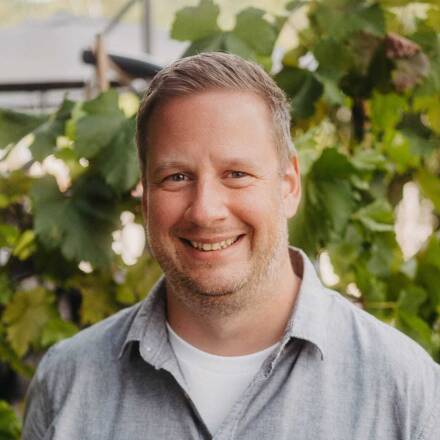
AI SESSION:
How AI Changes the Daily Life of Entrepreneurs – from Processes to Decision-Making
In this session, we will explore how AI can specifically ease the daily work of entrepreneurs – and where smart boundaries are more beneficial than blind automation.
Friedemann Schütz's impulse focuses on how AI becomes effective not as an isolated standalone solution, but as an approach to redesigning existing processes. The central question is how AI agents and automations can be integrated into daily work in such a way that they address areas where most time and effort are currently lost – for example, in email workflows, knowledge management, research, or recurring routines. At the same time, the potential that arises when digital sovereignty is considered becomes clear: from GDPR-compliant solutions and self-hosted language models to the question of whether processes can still be understood and controlled after AI has taken over parts of them.
Building on this, we will discuss where AI brings real added value and where you consciously set limits for your company – for example, in correspondence with guests, applications, complaints, or important documents. In small groups, we will apply these considerations to specific pain points from your daily work and develop initial governance rules: Where should AI take over, where does the human remain in the foreground, and how can this be reliably anchored within the team? Each person will leave the session with an implementable approach for the next six weeks – and a buddy to support its execution.
THURSDAY, MAY 07
12:00 – 14:00
Introductory Impulse: Friedemann Schütz (n8n Ambassador)

Strategic Foresight and Risk Scoring of Common Processes – Implementing Dashboards
Futures as Prototypes: Creating a mindset for destination success with Strategic Foresight.
For many companies, the primary goal seems to be building dashboards, which, however, are often nothing more than digital decoration. If data is collected but no real decision options are derived from it, development potential and, above all, resilience are lost. However, to act data-driven, we must first question entrepreneurial structures: who can actually implement decisions, and which old processes do we need to "scrap" to make room for a true data culture?
We move away from a focus on purely technological solutions and place people at the center. Strategic Foresight helps us overcome the fear of "decision paralysis" and remain capable of action despite complex data volumes. In the impulse session, learn, using concrete practical examples, how to develop the "future prototype," translate scenarios into specific fields of action, and find your way back from your desired future to the present through backcasting. We will discuss how Strategic Foresight can be embedded in an organization not as a one-time project, but as an ongoing process.
WEDNESDAY, MAY 06
09:00 – 11:00
Introductory Impulse: Elena Schmidt (dwif) & Birthe Menke (4Strat)
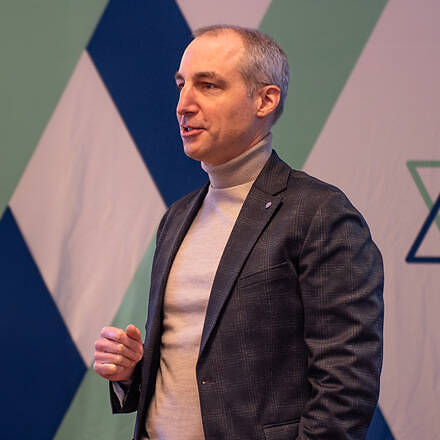
Data Sovereignty and Compliance in the Digital Environment
Many tourism organizations hoard vast amounts of data without actually having control over digital value creation. Furthermore, a clear role system is often missing, which turns data errors into a tedious search for responsibilities. The constant fear of legal pitfalls must not block the practical benefits for the company or the destination.
We clarify which obligations truly matter and how data management and compliance pragmatically function in a stressful daily work environment. Where exactly is the line between mere administration and real gain for the guest?
WEDNESDAY, MAY 06
12:00 – 14:00
Introductory Impulse: Robert Klauser (infomax websolutions)
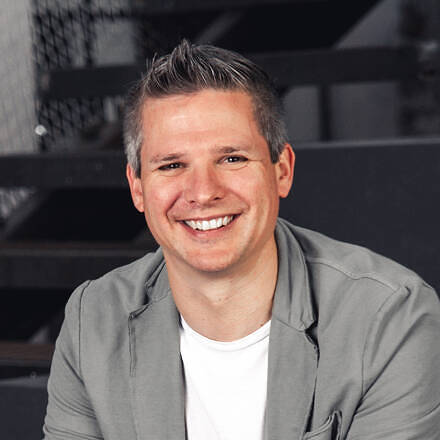
GEO instead of SEO – Content Creation Next Level
Traditional search engine clicks are drastically declining as guests increasingly direct their travel queries to artificial intelligences. Those who do not appear in these curated AI responses simply remain invisible to the modern traveler.
Instead of mere link lists, genuine brand trust will matter in the future, so that AI presents your content as the perfect insider tip.
We discuss strategies and measures on how credible content, authentic experiences, and new key figures can sustainably secure the success of your destination. Work with us to develop how your content can become an indispensable part of every digital response.
THURSDAY, MAY 07
09:00 – 11:00
Introductory Talk by: Georg Koch (valantic Austria)

Input for Digital Travel Assistants and the Importance of Your Own Website
No one visits a tourism website to voluntarily click through a chatbot that often fails to provide the desired answer in the end. Increasingly, AI agents determine how guests are inspired. However, if AI merely regurgitates facts and marketing fluff, the implicit knowledge of local people – the genuine 'in-the-know' expertise from the tourist information center – becomes the destination's most valuable asset. It sounds paradoxical: the more digital travel planning becomes, the greater the longing for human encounters and authentic insider tips that one can truly trust.
We explore how one's own website can become an indispensable data backbone for AI agents without losing its identity. How do we feed algorithms so they pave the way to our physical meeting places? Discuss with us the thesis of why AI is not the end, but rather the driver for a renaissance of personal consultation. Together, we will clarify how you can make the leap from mere information management to a curated brand of trust that excels where AI (still) fails: in genuine human enthusiasm.
THURSDAY, MAY 07
12:00 – 14:00
Introductory Talk by Rainer Schmitt (Holidu)
[ to the blog post ]

Interpersonal Interaction with Guests of Generation 9:16
How do young guests really tick – and how do we reach them effectively?
This session explores the expectations, attention spans, and language of Generation 9:16. We will discuss how to manage closeness and distance in direct contact, what wording is effective, and how digital offerings can be meaningfully used – balancing digital detox and always-on.
WEDNESDAY, MAY 06
09:00 – 11:00
Introductory Talk by: Isabell Eimerich, destination.one

Methods for Faster Team Decision-Making – Between Knowledge Management & Resilience
Communicate clearly, decide faster, and take action together.
This session focuses on knowledge and network management, clear role definitions, and appreciative, precise internal communication. Together, solutions will be developed to make decisions efficiently, clarify responsibilities, and build resilient and capable teams.
WEDNESDAY, MAY 06
12:00 – 14:00
Introductory Talk by: Gesa Zötler
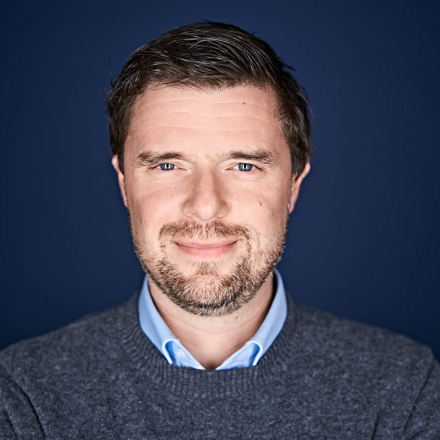
Omnichannel CRM Solutions and Digital Loyalty Processes
Added value instead of data paralysis: How personalization truly works.
The session shows which data should be meaningfully combined and how this creates real added value for guests, clubs, and loyalty systems.
Targeted communication, appropriate wording, and the balance between exclusivity and openness will be discussed. Practical examples from destinations will illustrate how personalized communication creates added value – without appearing elitist.
THURSDAY, MAY 07
09:00 – 11:00
Introductory Talk by: Philipp Holz, Breuninger
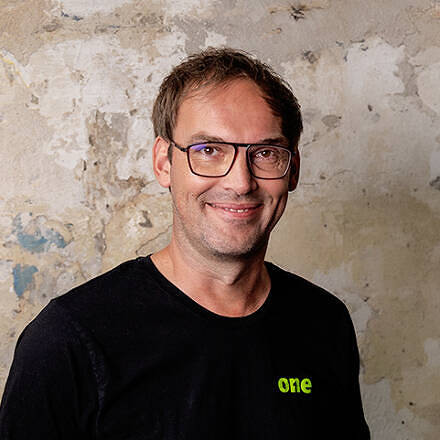
Proper Internal Deployment of AI Agents – Concrete Frameworks for Practical Application
Less stress, more impact through AI as team support.
How can AI agents be deployed to simplify processes and truly help employees?
This session addresses fears and inflated expectations and presents concrete frameworks for the internal use of AI. The focus is on practical applications, useful prompt templates, and how systems gain acceptance and noticeably ease daily work.
THURSDAY, MAY 07
12:00 – 14:00
Introductory Talk by: Stefan Huber (destination.one)
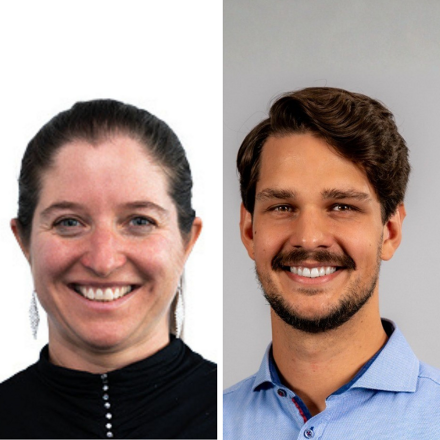
Facts over gut feeling
Arrivals and overnight stays alone are insufficient to reflect the true success of a destination. In this thematic strand, we show how a modern understanding of tourism is brought to life through monitoring models such as the Tourism Impact Score (TIS), Tyrolean Sustainable Tourism Observatory (TYSTO), or Sustainable Tourism Observatory of South Tyrol (STOST), and how this data can be used as a strategic management tool for destinations.
We will develop how DMOs can move from purely quantitative goals to holistic management that balances ecological, social, and economic impacts, and how these key figures are specifically integrated into daily implementation.
WEDNESDAY, MAY 06
09:00 – 11:00
Introductory Talk by: Birgit Bosio, MCI; Marco Giraldo, TourCert; Jakob Hillebrand, Eurac Ressearch

Achieving a new guest relationship through agile structures
The traditional distribution of roles between destinations and travelers is outdated. To create a sustainable relationship architecture, we need leaders and partners who operate as a closely integrated network. This session focuses on the 'architecture' behind the experience.
How do we motivate the drivers of change?
How do we create networks that put the guest at the center while simultaneously strengthening the destination's identity?
Collaborate with us to develop new leadership models and forms of cooperation that pave the way for deeper, value-creating connections. This session is for everyone who views tourism as relationship building and seeks to create networks that prioritize the guest while simultaneously enhancing the quality of life for local residents and strengthening the destination's identity.
WEDNESDAY, MAY 06
12:00 – 14:00
Introductory Impulse: Janosch Untersteiner (MCI)

Who Pays for the Change? DestinationPay & Co. in Practice
The financing of tourism-related tasks is undergoing a transformation. Traditional budgets are reaching their limits, while demands for sustainability and community management are growing. We will analyze best practices such as BremenPay and other participation systems.
How can such models be transferred to our regions?
Together, we will determine what conditions destinations need to create for such models to be accepted, implemented, and effective in the long term.
THURSDAY, MAY 07
09:00 – 11:00
Introductory Impulse: Meike Jacobsen, Bremen Economic Development
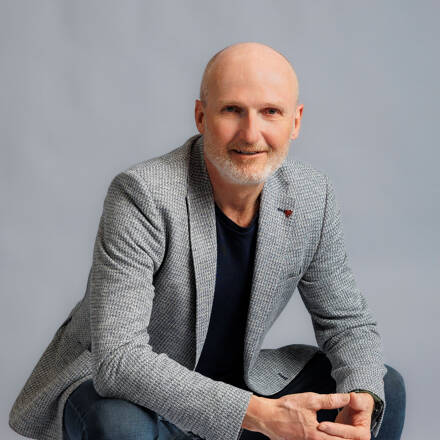
AI in Practice: Data-Driven Destination Development through Predictive Analytics
How does a 'data graveyard' transform into a strategic compass?
This session focuses on the practical application of AI-powered predictive models. We will examine how algorithms identify patterns that remain invisible to the human eye.
Whether it's capacity management, pricing strategies, or measuring future tourism impacts, we will demonstrate which tools are already available today and how artificial intelligence can be used to enhance strategic decision-making in destinations.
THURSDAY, MAY 07
12:00 – 14:00
Introductory Impulse: Bernhard Taurer (feratel)

Pragmatic Participation Processes Against Overtourism & Crowdtourism: Local Strategies vs. Political Regulations
This session addresses the tension between political guidelines and local needs – a crucial topic, especially for regions suffering from overtourism or crowdtourism. While political measures are often abstract and long-term, citizens and local stakeholders typically respond to local challenges more quickly, directly, and pragmatically. The key question is: How can these differing approaches be integrated into a genuine and impactful participation process?
Using concrete examples, such as the 'Ideas.Make.Tourism.' dialogue campaign from Mecklenburg-Vorpommern, this session will present approaches to strategically, socially compatible, and democratically shape tourism. Participants will analyze how capacity limits can be defined and how interests between guests, residents, and businesses can be fairly balanced.
The focus will be on practical methods like 'Collective Story Harvesting,' which help engage the silent majority and transform protest energies into constructive participation. Participants will discuss whether soft governance instruments are sufficient or if clear political measures are necessary. The session aims to demonstrate how dialogue, participation, and political governance can intertwine to ensure long-term quality of life and tourism acceptance, while counteracting potential overtourism.
WEDNESDAY, MAY 06
09:00 – 11:00
Introductory Impulse: Matthias Pens (MV Tourismus)

Tourism & City Management for Residents and Guests – DMO as Operator of Food Service and Shops
What happens when the last cafe in town closes, vacancies increase, and places lose their vibrancy – for both guests and locals? And what role can a DMO play when its focus shifts from mere marketing to actively co-creating living spaces?
This interactive session examines precisely this shift in roles: from traditional destination marketing to the DMO as an initiator, enabler – and in some cases, even as an operator of restaurants, shops, or meeting places.
Using the example of the 'Schwarzwald.Dorf.Hotel. – Albergo Diffuso' project, it becomes clear how new forms of collaboration can activate vacant structures and allow places to be reimagined together. The central question here is: What does it take for such co-creative initiatives to emerge in the first place?
This session begins precisely at this point – in the so-called 'Phase Zero,' before concepts are even developed. Together, we will explore how stakeholders can come together, develop a shared understanding, and take the first steps towards implementation. The focus is not on the final solution, but on the foundational logic of co-creation.
Participants work on specific cases, reflect on their experiences, and together develop a "Phase Zero Canvas2" – a practical tool that supports DMOs in structured initiation of co-creative processes.
A session for everyone who understands tourism as an active part of shaping living spaces – and wants to know how to take action.
WEDNESDAY, MAY 06
12:00 – 14:00
Introductory Impulse: Hansjörg Mair, Black Forest Tourism

Positive Narratives against Populism and Anti-Democratic Tendencies
This session shows how tourism stakeholders can deal with populist, polarizing, and anti-democratic narratives – and how they can actively contribute to shaping new, unifying narratives.
The focus is not only on how to react to intensified debates, but also on how narratives emerge, why they are so effective, and at what points they amplify social tensions. Especially in times of overtourism discourses, fears of loss, and growing polarization, simplifying narratives – for example, in the tension between "locals vs. guests" – shape the perception of tourism. They address real needs but can simultaneously put pressure on plurality, dialogue, and social cohesion.
The session illuminates how such narratives can be recognized, analyzed, and understood in their impact. The shift in perspective is crucial: moving away from a reactive approach to populist exaggerations – towards an active shaping of narrative spaces. In interactive workshops, participants develop alternative narratives based on concrete examples that do not trivialize problems, clearly take a stand against anti-democratic tendencies, and simultaneously open up new perspectives.
A session for everyone who understands tourism as a social design space – and who wants to actively participate in shaping the stories told about it.
THURSDAY, MAY 07
09:00 – 11:00
Introductory Impulse: Nicole Cogiel

AI Session: Monitoring including sentiments and AI-based countermeasures
This session demonstrates how monitoring, sentiment analysis, and AI can help detect overtourism early and proactively manage visitor flows before local strain and frustration arise.
The focus is not solely on technology, but on the question: How can effective visitor management emerge from data, interpretation, and communication that both protects the living environment and enhances the guest experience?
Using Outdooractive as an example, it becomes clear how tourism managers can input closures, notices, or temporary restrictions into digital systems, which then become directly effective in tour planning. This creates a form of digital visitor guidance that not only blocks access but also specifically offers attractive alternative options and actively redirects visitor flows.
The session thus illustrates how monitoring data from sensors or manual reports can be translated into concrete countermeasures — for example, when parking lots are full, paths are overused, or sensitive natural areas need protection. The interplay of data, infrastructure, digital touchpoints, and the involved stakeholders is crucial.
In an interactive workshop format, participants develop concrete use cases for AI-supported visitor management along the visitor journey and examine the actual role of AI – from background analysis to communication at the touchpoint.
A session for everyone who wants to rethink visitor management as a dynamic interplay of people, space, and technology.
THURSDAY, MAY 07
12:00 – 14:00
Introductory Impulse: Albert Brenner, Outdooractive
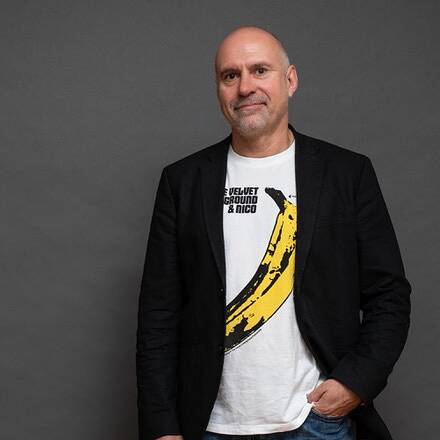
Climate Adaptation in Alpine Tourism in DACH and South Tyrol
WEDNESDAY, MAY 06
09:00 – 11:00
Climate change poses unprecedented challenges for alpine tourism and necessitates a fundamental transformation. In this session, Hannes Waldmüller from IDM provides insights into climate adaptation in South Tyrol: He highlights key challenges and explains which strategies are already being implemented – from product development and communication to crisis preparedness. Afterwards, it will be interactive: We will look at the emotional dimensions of this profound change and focus on the future: What competencies and success stories do destinations already bring? And how can we actively tackle the change in alpine destinations with them?
Introductory Impulse: Hannes Waldmüller (IDM South Tyrol)

Strategies Against Water Scarcity & Resource Waste
WEDNESDAY, MAY 06
12:00 – 14:00

Accessibility for All – Digitalization & Baby Boomers
"We can't offer that digitally – baby boomers don't want it." Such assumptions persist – but do they truly reflect reality?
In an introductory impulse, Monica Tetzner from Bayern Tourismus Marketing GmbH provides insights into the 60+ generation and the experiences from Bavaria as a travel destination regarding needs in communication, service, product, and beyond.
In the subsequent interactive part, we will jointly develop concrete approaches to ensure destinations remain attractive for the older generation in the long term. This applies to digitalization and beyond.
THURSDAY, MAY 07
09:00 – 11:00
Introductory Impulse: Monica Tetzner, Bayern Tourismus Marketing
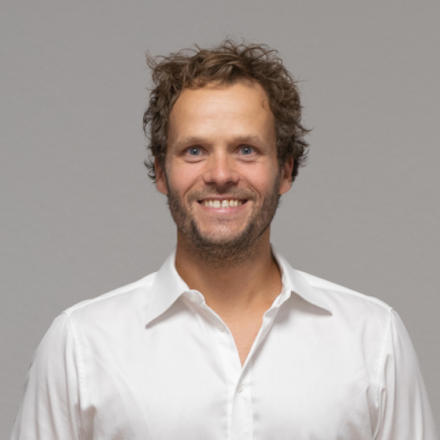
AI-Powered (Social) Sustainability & Climate Impact Assessment
In this session, open cases from the previous three sessions will be addressed.
Additionally, we aim to clarify how AI, for example, can assist with climate impact assessment in a DMO, how collaboration with businesses can be improved, or how AI can support the enhancement of accessibility / other social factors.
THURSDAY, MAY 07
12:00 – 14:00
Introductory Impulse: Bastian Hiller