DSTNCMP-PREMIUMpartner


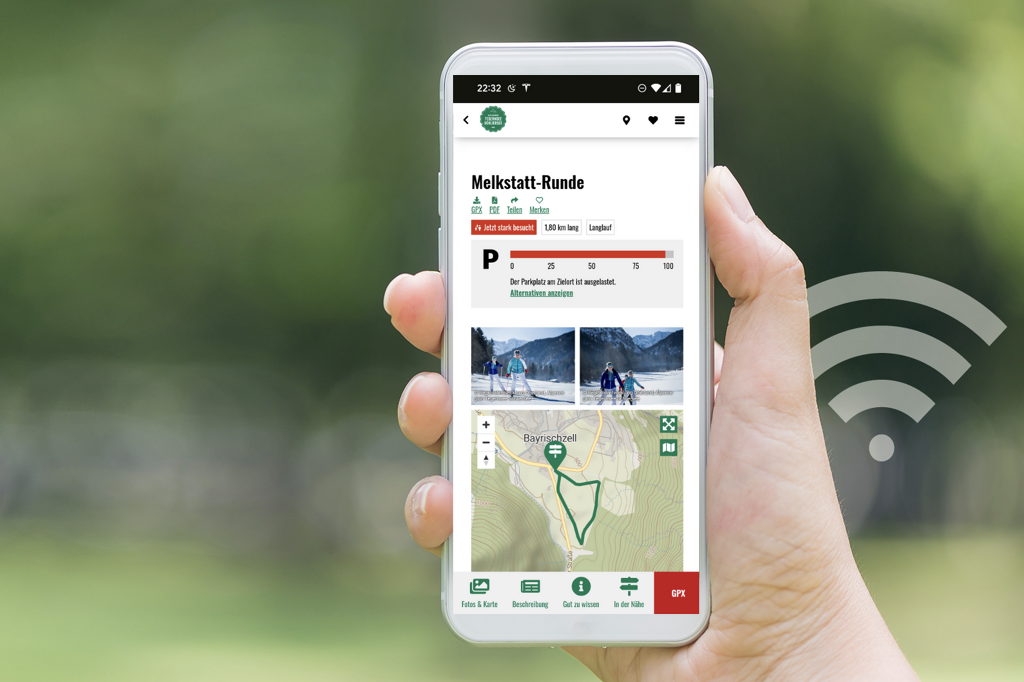
To truly support both destinations and guests in their planning and optimization, it is crucial to also make forecasts for future capacity utilization. The weather plays a crucial role in this – both for visitors on site and for local service providers. A classic example is an indoor swimming pool that is empty in good weather and overcrowded when it rains.
This is where AI comes into play – with the help of innovative technologies, we can better understand these effects and prepare accordingly: By combining sensor data with historical and forecasted weather data, reliable predictions for future capacity utilization can be generated.
What specific use cases arise from this? With a 'frequency traffic light', destinations can be informed days in advance when and where large crowds are expected and what alternatives are available. This information can be integrated into all digital communication channels to enable visitors an optimized travel experience and individual planning.
Service providers such as swimming pools, restaurants, or city guides can also use this to optimize their staffing and resource planning.
The ability to predict future visitor flows is of crucial importance for destinations. It enables effective planning, improved guest experiences, and optimized visitor management. By using Artificial Intelligence, destinations can better tailor their offerings to the needs of visitors and utilize tourist infrastructure more efficiently.
This leads to a sustainable and improved development of tourism in the region.